
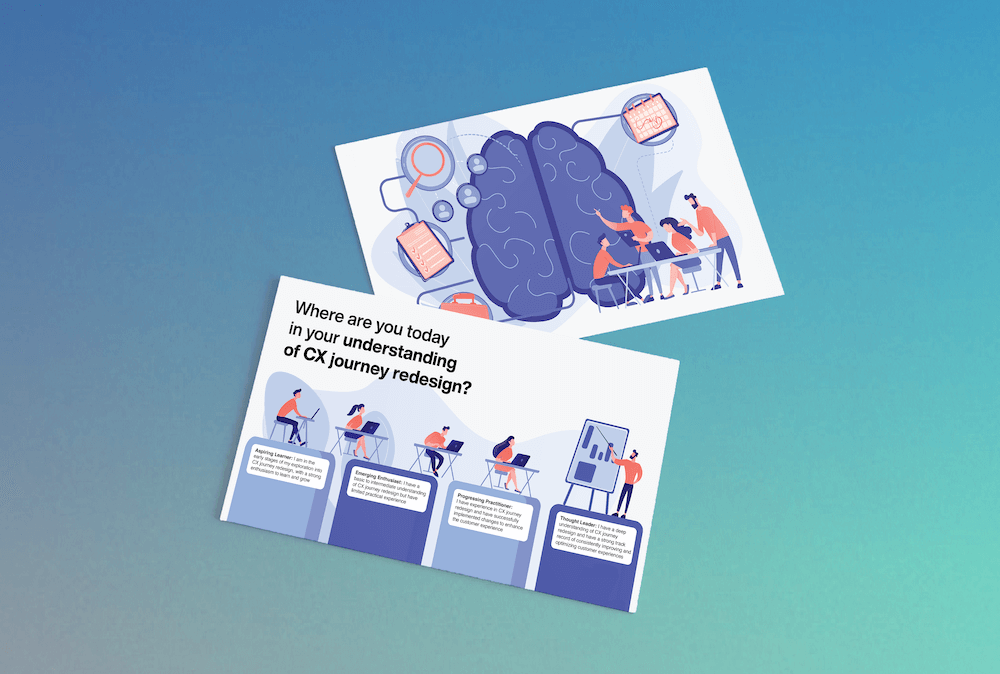
The Client: The client is a nonprofit private health insurance company with over 3 million medical members and 1 million dental members. As one of the largest health insurance companies in the U.S., they are consistently rated among the nation’s best health plans for member satisfaction and quality.
The Challenge: Health Insurance Co has a well-defined vision, strategy, and roadmap for enhancing customer experience (CX). However, they required assistance in operationalizing these plans, particularly in design and execution. The CX team needed a journey measurement framework and a comprehensive playbook to ensure scalability in their new approach. Our team was brought on to help redesign key customer journeys, facilitating accelerated and efficient execution of the new CX initiatives.
Tools Used: Respondent (user research), Zoom (moderated interviews), Miro (virtual collaboration and ideation), PitchBook (market and company scan), Pollfish (survey), Figma (prototyping), and more.
Project Timeline: 12 weeks
My Role: Design Lead — User Research, Service Blueprinting, Design Strategy, Content Strategy, Workshop Facilitation, UX Design, Visual Design, Stakeholder Management
What is journey redesign?
Journey redesign is the process of designing experiences across frontstage and backstage elements for specific ‘journeys’ within the realm of CX - including digital, physical, and omni-channel experiences.
Why do journey redesign?
• Ensures solutions to business problems do not create friction for users
• Cuts across-functional silos to engage all necessary teams at the appropriate phases
• Combines ‘frontstage’ and ‘backstage’ lenses to create a holistic view of the user experience
• Enables iterative refinement of the user experience by establishing a repeatable approach
• Creates a seamless and delightful user experience, which ultimately improves rNPS
• Ensures investments create value for both the customer and the business
Define the vision and opportunity scope. Construct a point of view, and clarify success metrics aligned to business strategy through careful research and analysis. Understand competitive benchmark and landscape.
a. Gather preliminary learnings via secondary research
b. Run upfront quantitative research and analysis
c. Develop clear design target(s)
d. Craft a problem statement
e. Conduct industry analysis
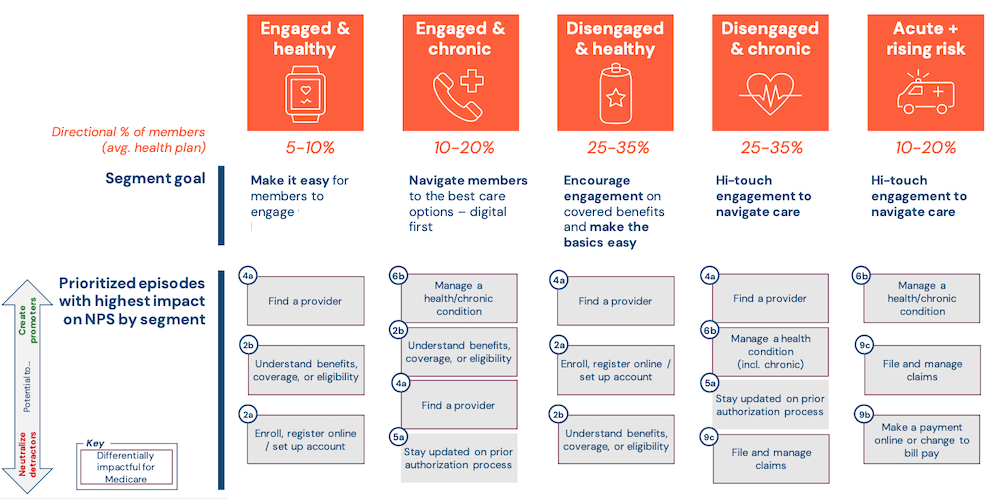
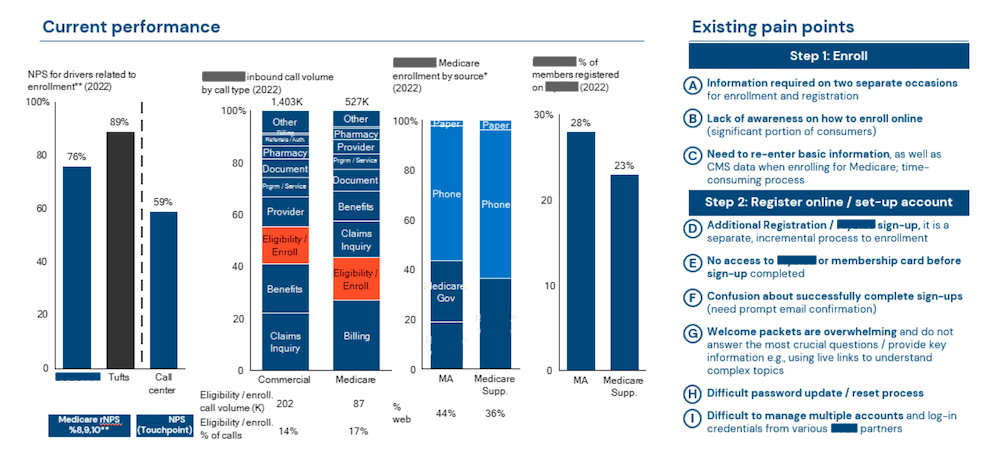
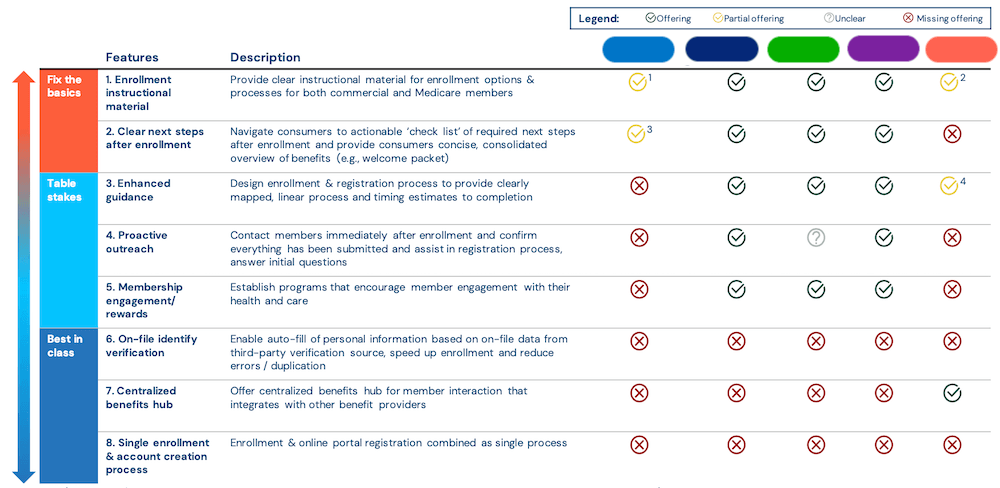
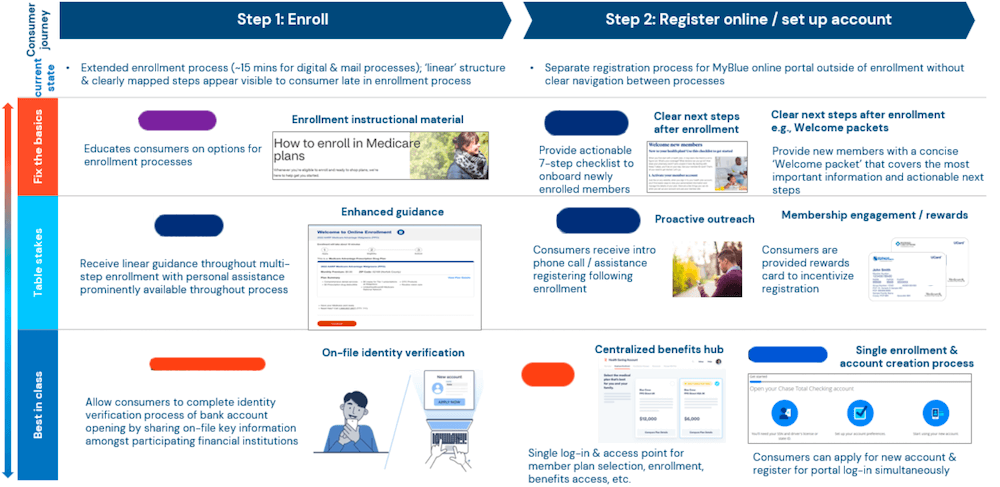
Before our team got started on the project, leading up to the discovery phase, we had a "week zero" to fully immerse into research to understand the company and their customers. The partner on our team had previously worked with the client on CX strategy work, so there were plenty of materials to read and learn from. It was my first time working in the healthcare space, so I did additional research to get a better grasp of the industry and get familiar.
Gain a deep understanding of the current-state experience to identify key problems. Empathize with users by recognizing their needs and challenges. Find patterns and actionable takeaways to prepare for ideation.
a. Develop a concurrent cadence for research and design
b. Conduct 1:1 in-depth user interviews
c. Synthesize to create observations, themes, and insights
d. Synthesize to create user needs and pain points
e. Map the as-is journey map
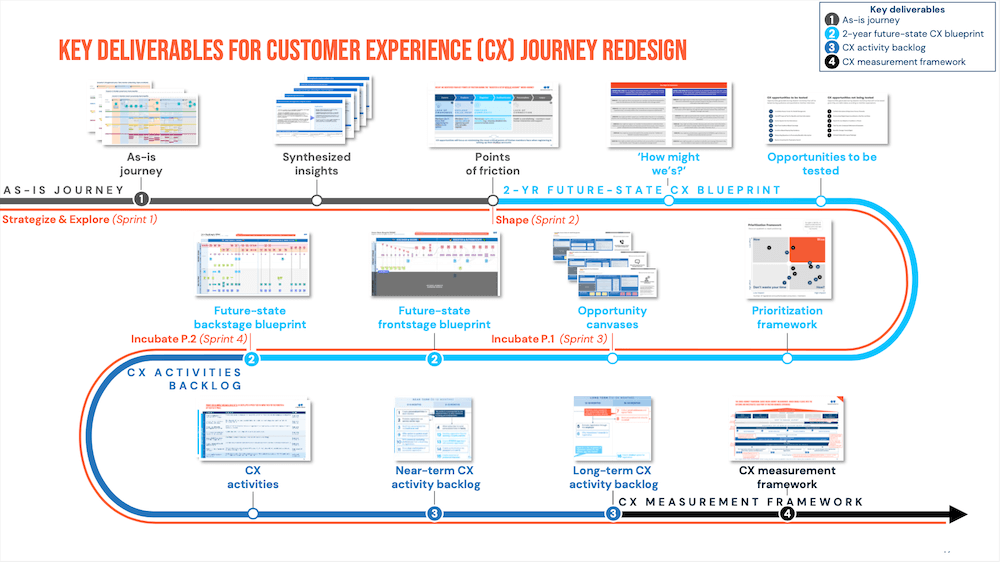
Once we officially kicked off the case with the clients, it was go-time. There was no time to waste. Thankfully, with the knowledge I gained from the initial research and after speaking with individuals on the team, I was able to quickly put together a design workplan. I produced a design workplan with clear goals and expectations for each week, with clear deadlines for important meetings and deliverables.
The first deliverable was the "as-is journey," which is a document that maps the current state of a customer's experience, identifying their key needs, pain points, and touch points. To do this, we needed to talk to customers. With the help of a third party recruiting service (we could not directly recruit as we had to keep anonymity), our team was able to recruit and schedule one-on-one user interviews with over 40 customers.
As the design lead, I put together a detailed screener to help recruit the right participants, as well as write the official user interview script/guide. I wrote both very intentionally, so that we do not reveal the private health information of customers, but still get helpful insights for the as-is journey.
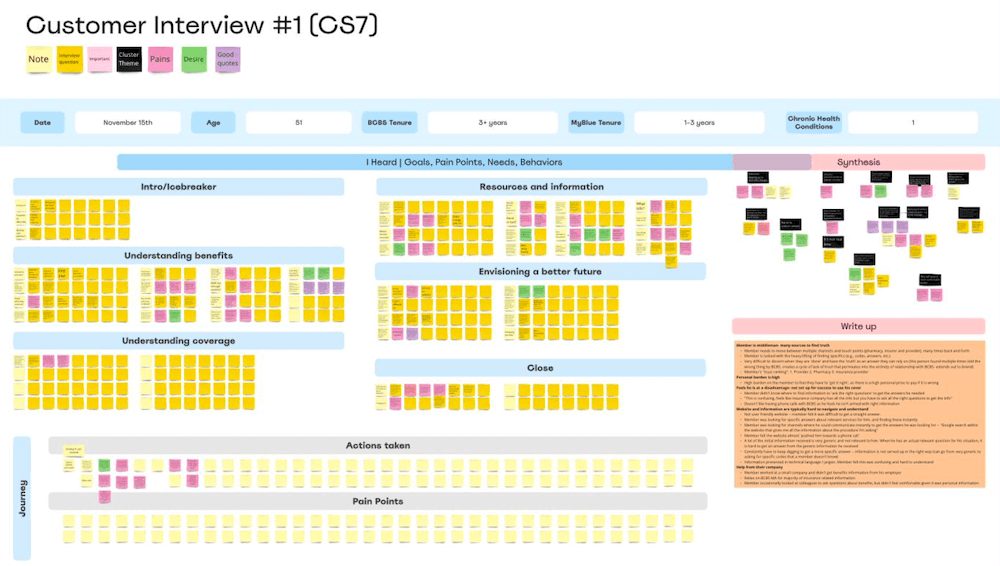
I led almost all of the user interviews. While I was interviewing, my team members took detailed notes for us to review later on, as we were unable to record the hour-long sessions due to privacy concerns. After each interview, we gathered together as a group to synthesize learnings and discuss key takeaways. We did this collaboratively on Miro, where we used virtual sticky notes to highlight themes and gather insights. We synthesized and synthesized again and again to gain deeper insights and understanding.
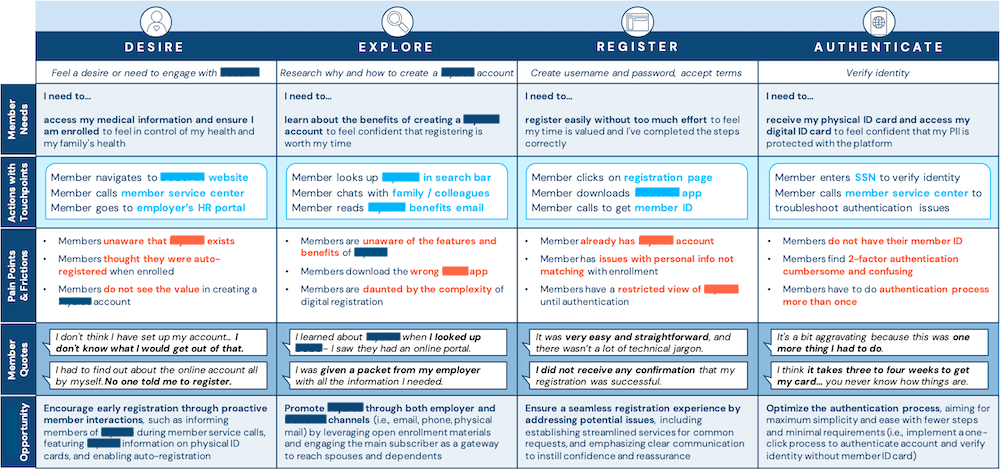
Then, I created the as-is journey, documenting user needs, pain points, and touch points from the current customer experience, highlighting relevant quotes and potential opportunities for the company. This was an important document we would continue to reference throughout the project to understand current customer sentiment and identify areas of improvement.
Generate and prioritize ideas that address unmet user needs and pain points, collaboratively ideate on future-state solutions, and start bringing ideas to life. Conduct idea generation and collaborate with internal stakeholders.
a. Craft 'how might we' questions and create an inspiration gallery
b. Design and facilitate the ideation workshop
c. Synthesize ideation workshop outputs to create opportunity canvases
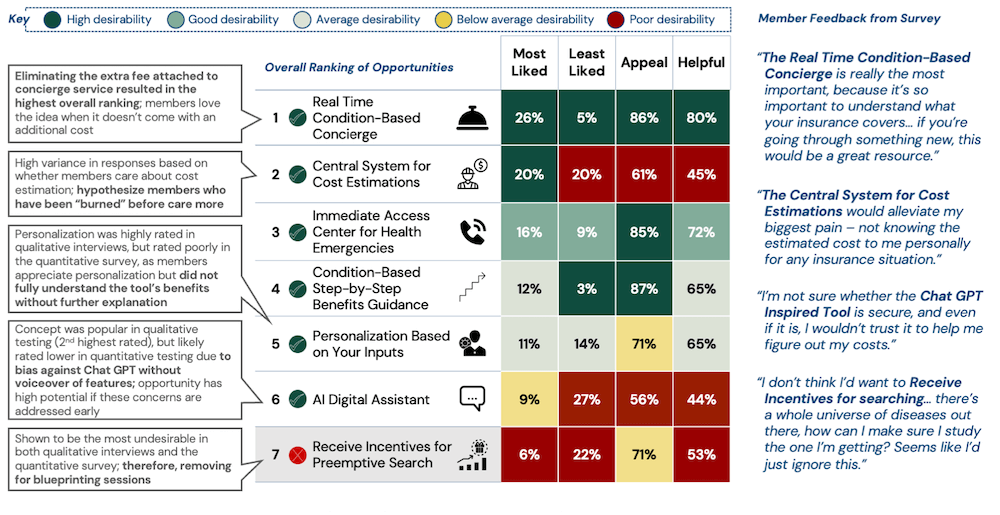
d. Prioritize opportunities to pursue and build CX prototypes to test
e. Test with users and SMEs to refine opportunities to service blueprint
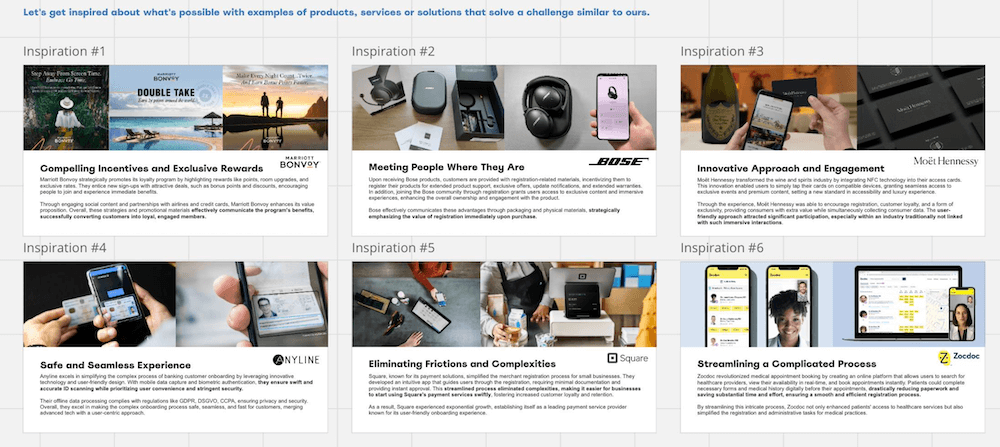
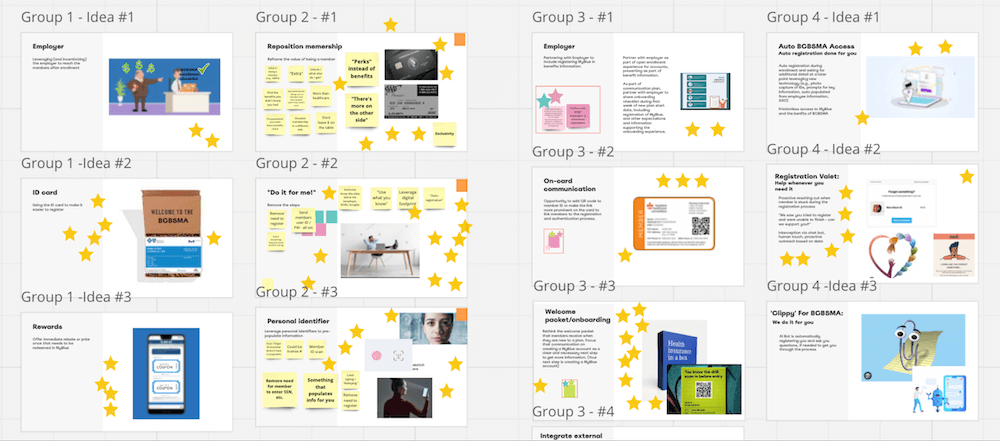
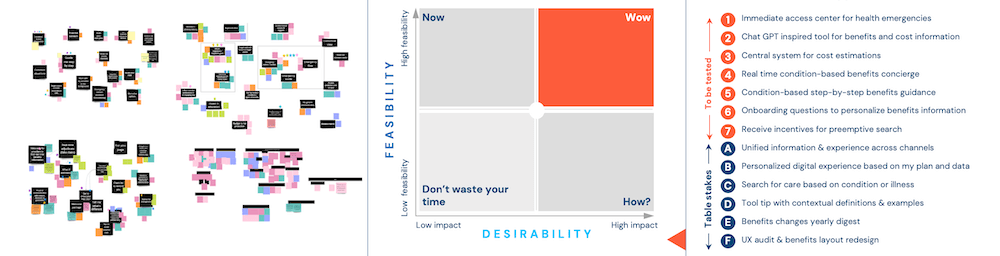
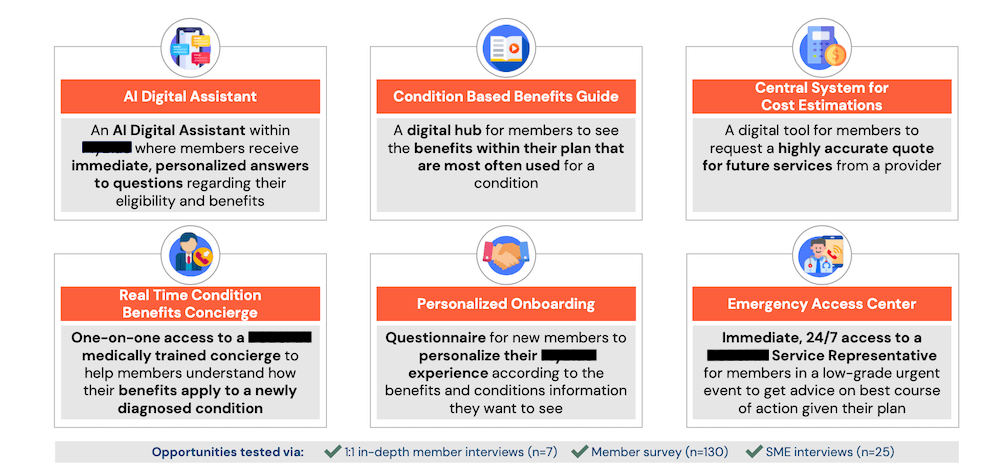
The "shape" phase is my personal favorite, mostly because I love generating new ideas and the creative energy during ideation. It is when people are generally open to any and all possibilities and try to think outside-the-box, out of their normal comfort zone. With my excitement and enthusiasm for ideation, I designed and led the ideation workshop. It was a TON of work to put together, but very worth it.
I prepared all the necessary materials and resources required for the workshop, including diverse brainstorming techniques like 'how might we' questions and an inspiration gallery. I also took the initiative to tackle workshops logistics - I planned a structured agenda with roles and time stamps for each activity, and drafted a facilitator guide to help small group leaders during the ideation sessions. The ideation workshop was an ultimate success thanks to careful preparation! [See below to see what my team had to say!]
At the end of the three-hour ideation session, the participants came up with tons of great ideas - which were further synthesized to create concept cards. These concept cards (or 'opportunity canvases') were thoughtfully developed to use for user testing and expert interviews. We launched a quantitative survey as well as conduct one-on-one user interviews to see if the opportunities were desirable to customers. Then we spoke with subject matter experts to see if the opportunities were feasible, from a technical and operational lens.
"Shoutout to Jane for mobilizing the whole team in preparation for the ideation session, for always speaking up during client meetings at the perfect time (i.e., when I have no idea what to say ha), and for leading a THREE HOUR ideation session with so much ease and poise (teach me your ways!)" - Consultant
"Great job leading through the workshop today. Again, very engaging, flawless, and natural." - Senior Manager
"Wanted to tell you how impactful the workshop was! It was so cool to see how engaged everyone was and how many ideas were generated. Great live feedback - was great to see all the "fun" and "collaborative" words used to describe it. (Not sure many clients would describe past workshops with us as "fun"). You are really "teaching how to fish" with this work - both redesigning the journey and showing clients the "how". Plus I think we got some really good ideas on the table! Thank you for all of the prep + investment - nice work!" - Partner
Design, iterate, and validate solutions through user testing and expert interviews. Create, validate, and refine the frontstage and backstage of the service blueprint. Consistently iterate, fail fast, pivot, and challenge assumptions.
a. Service blueprinting sessions
b. Create the service blueprint frontstage
c. Validate and refine frontstage feasibility with SMEs
d. Create the service blueprint backstage
e. Validate and refine backstage feasibility with SMEs
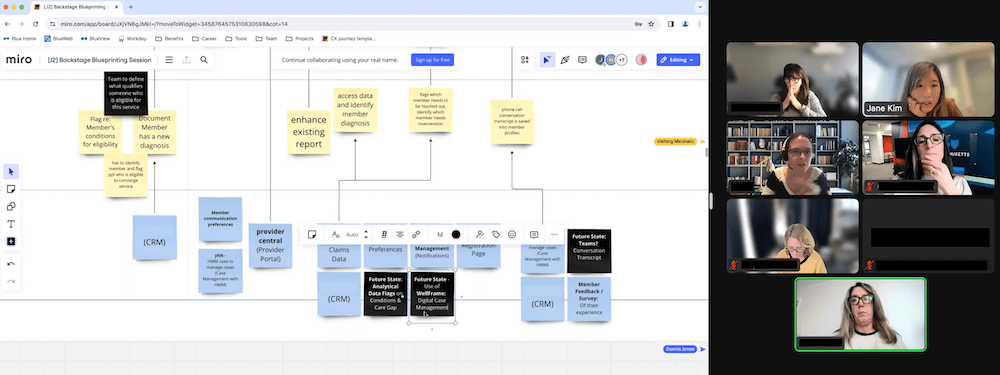
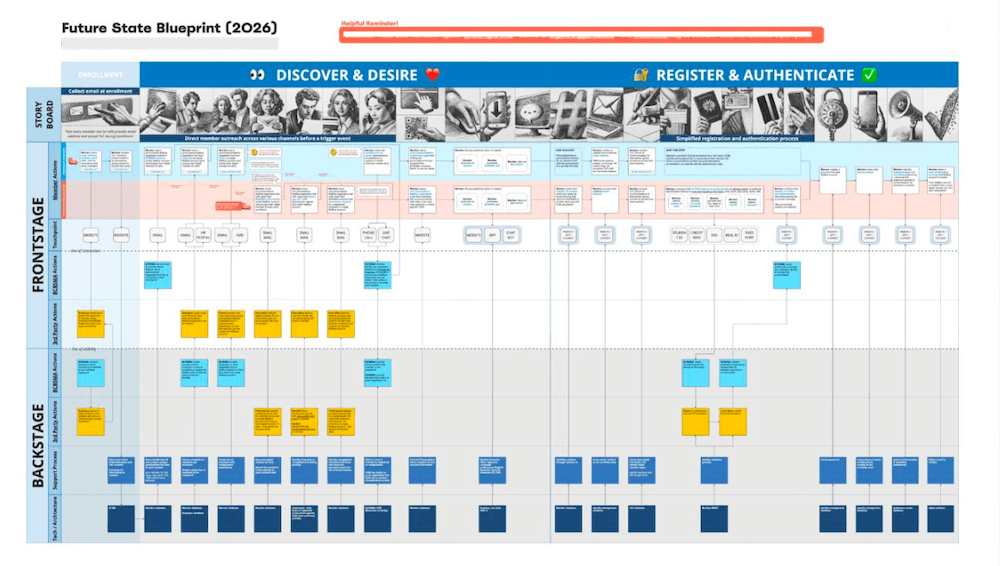
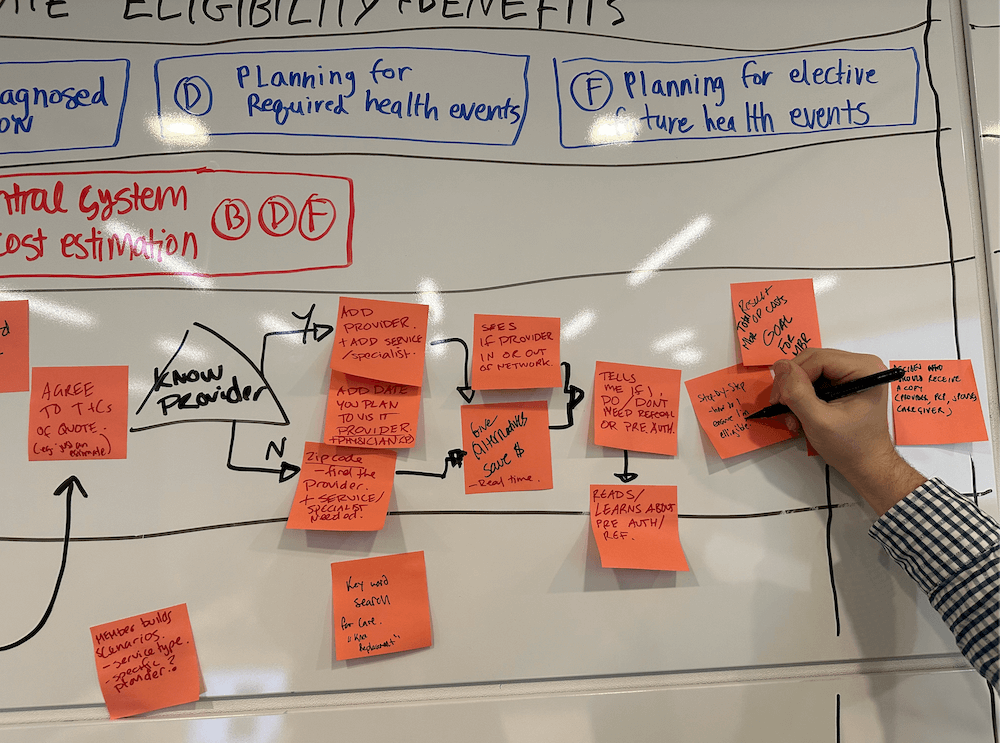
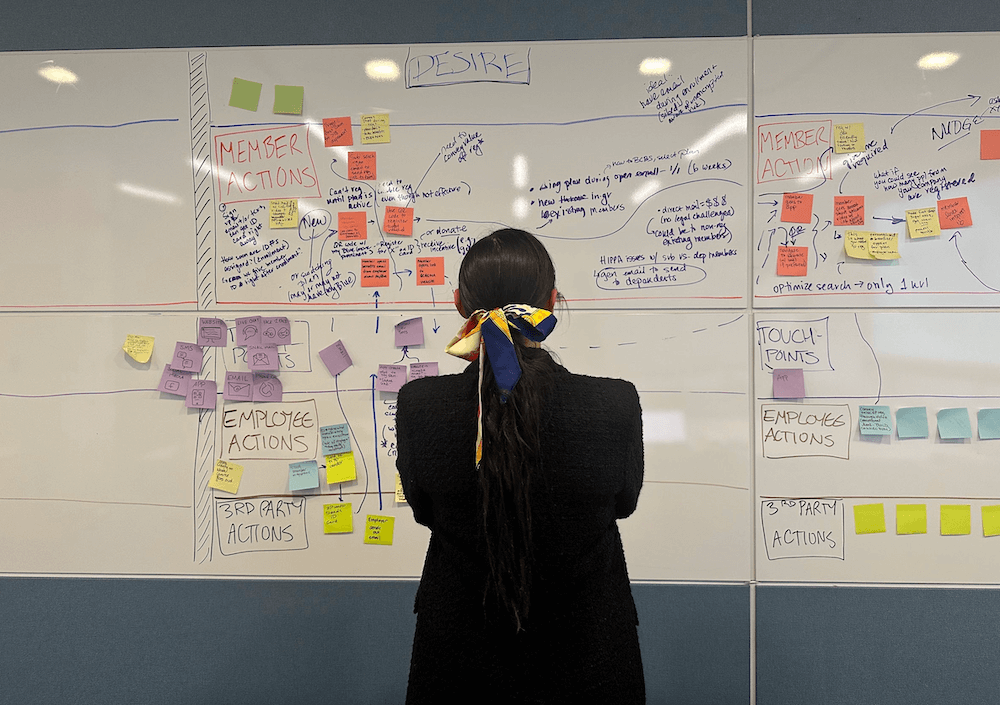
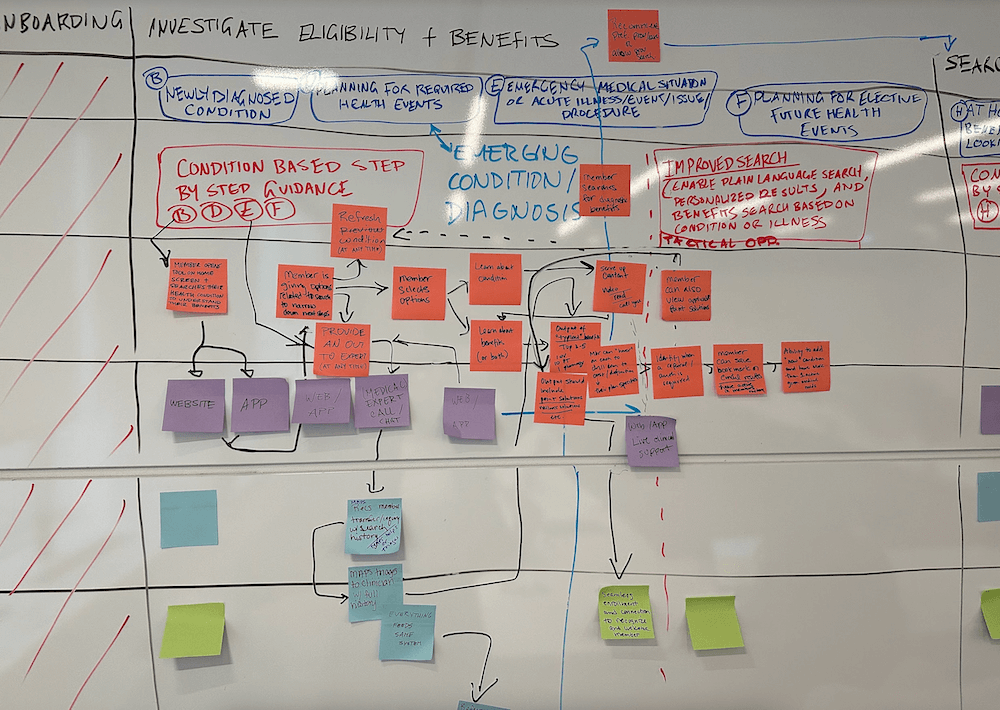
With all the new data from user testing and interviews, I was able to construct an initial version of the service blueprint; however I needed help filling in the gaps. A service blueprint brings to life the building blocks required to enable a future omni-channel customer journey by combining the frontstage (what the customers see and experience) with the backstage (the people, processes and infrastructure required to deliver).
To construct the service blueprint, I invited team members from across the company organization - from marketing, legal, engineering, etc - to map out the frontstage and backstage elements of the future-state blueprint. Similar to how I approached the ideation workshop, I prepared all the necessary materials for the blueprinting sessions. This included presenting the insights gathered from the research conducted from user testing and interviews, as well as creating the agenda and assigning team roles/responsibilities.
It was a huge team effort to run the blueprinting sessions, as it was an in-person event, requiring logistical challenges like traveling, printing, and physical materials. I presented our research findings, explained the blueprinting process, and facilitated thoughtful discussions during the blueprinting sessions. It was a stressful yet eventful week of blueprinting, as 50+ participants from across the organization gathered together to shape the service blueprint with their unique expertise. [See below to see what the clients thought!]
Even after the blueprinting sessions, we continued to refine and validate the frontstage and backstage feasibility with expert calls. The initial version with stickies soon turned into a structured digital visual: I designed the final blueprints - which identified key member actions, touch points, company actions, third party actions, support processes, and technology that would enable the ideal future-state journey.
“I learned how to facilitate workshops, allocate tasks, and conduct user interviews. I found it very insightful to better understand the frontstage and backstage pieces of a service blueprint.” - Digital Team Member
"Collaboration between Customer Experience and Digital partners, as well as SMEs, has been extremely valuable throughout the journey redesign work. Throughout this work, we have developed a much better partnership and are moving forward together." - Digital Team Member
“My biggest learning was how to effectively synthesize outputs from key sessions, and I now feel ready to create a service blueprint myself.” - Customer Experience Team Member
Implement solutions for users based on feasibility and viability considerations, while simultaneously developing a backlog and roadmap for delivery. Continue to get feedback and refine once implemented.
a. Create CX initiatives
b. Prioritize the CX backlog
c. Develop measurement framework
d. Design new organizational structure and team configuration
e. Create a playbook for journey transformation
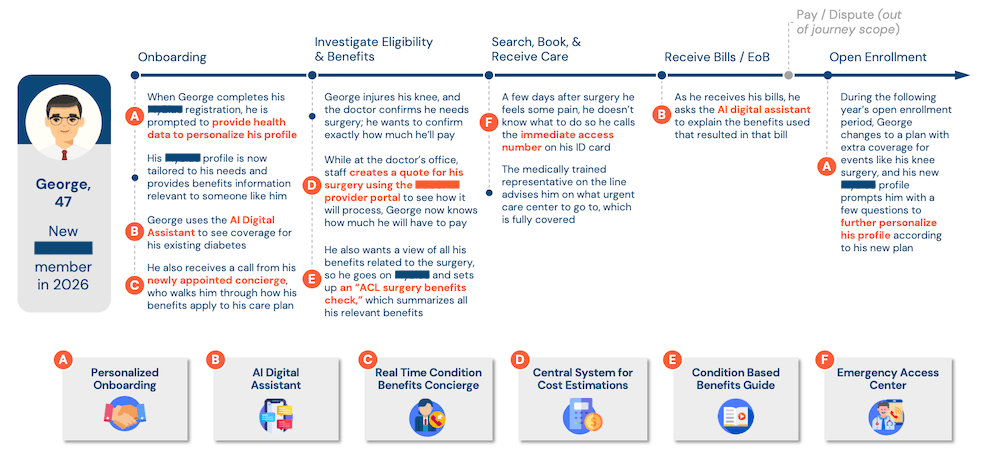
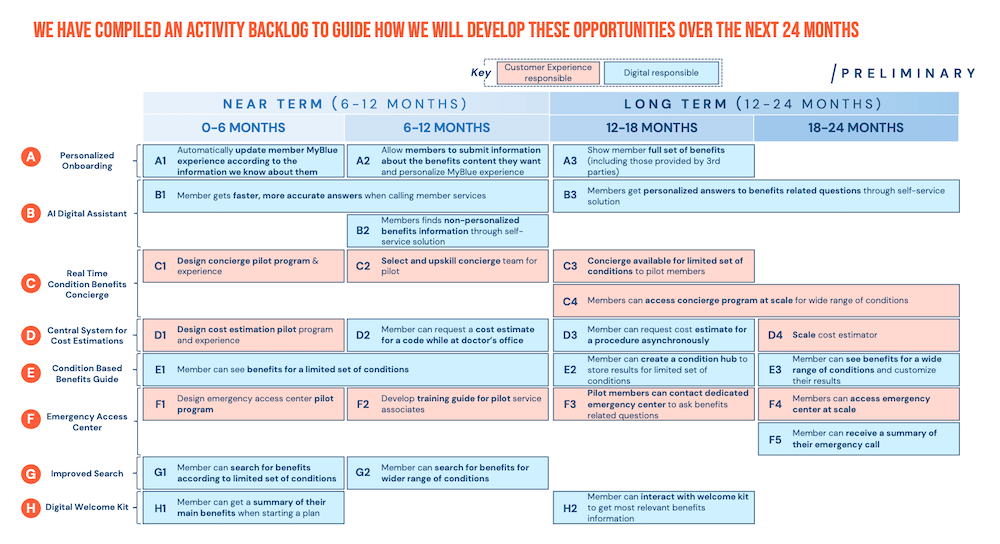
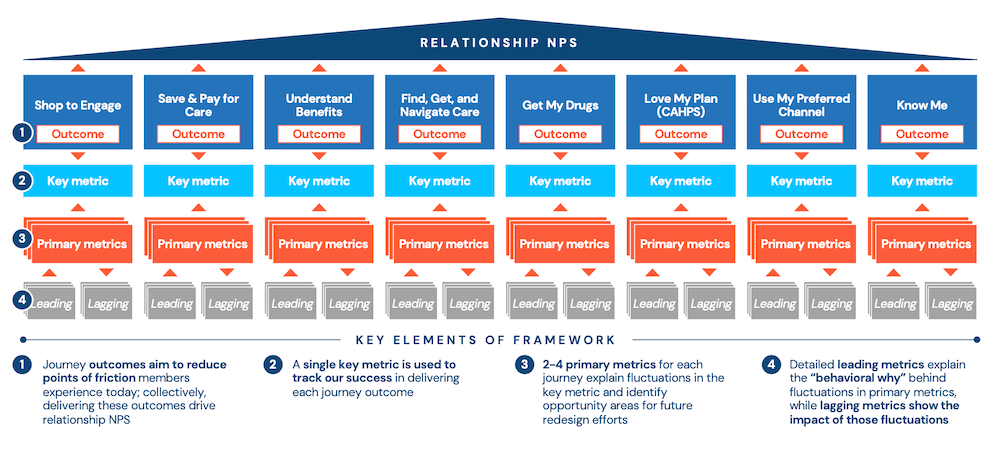
Once the blueprint was finalized, it was time to create a backlog of CX initiatives that would need to be implemented. The CX initiatives were actionable steps to transform the current-state journey into the future-state journey based on the blueprint that was created. I broke down the service blueprint into parts, identifying the specific changes that needed to be made or capabilities that needed to be developed to deliver the desired customer journey over incremental periods of time. This approach ensured that the user experience is improved in a targeted and measurable way.
Next, we prioritized the CX initiative backlog by determining which ones would be addressed in the near vs long term. It was important to consider (1) interdependencies between activities, as some activities may need to be executed before others can be addressed, (2) the time required to implement each activity , and (3) the anticipated impact of each activity on the user experience.
In the end, after twelve long weeks, we delivered (1) a voice of the customer with an as-is journey map uncovering relevant needs and pain points, (2) future state redesign that was created through collaborative ideation workshops and blueprinting sessions, (3) CX organization and resourcing framework that provided clear models on team alignment, and (4) journey playbook outlining activities and process changes for success.
"For us as an organization, it's great to see that we can make meaningful progress in a very short period of time. This is what we have never been able to accomplish as an organization." - Director, CX Strategy (Client)
"Can't shoutout enough our incredible team who over the past three months have transformed customer experience management, delivered two end-to-end journeys, trained 100+ clients on the codified approach and at every level been client whisperers enabling a demonstrated change in behaviors, increased collaboration, and a commitment to prioritizing customer journey delights as a key to delivering member health outcomes." - Partner
45+ unique, prioritized CX initiatives identified and tested with 200+ users and 50+ experts
7 future-state blueprints created with frontstage and backstage requirements
100+ team members mobilized and aligned around key actions

The Client: A global chemical and consumer goods company with ~$20B in sales.
The Challenge: Personal Care Co sought to launch a new hair care product leveraging a revolutionary technology. The company needed help to validate the value proposition and assess product-market fit for a new product technology through rapidly designing, testing, and learning through prototype brands that addressed the hair needs of our target consumers.
Tools Used: Respondent (user research), Zoom (moderated interviews), Quid (social listening), Miro (virtual collaboration and ideation), Figma (design and prototyping), Pollfish (flash survey), Reduct (video transcripts), PitchBook (market and company scan), Google Analytics (ad campaign analytics), Webflow (website design), Hotjar (web behavior analytics), and more.
Project Timeline: 5 weeks
My Role: Design Lead — User Research, Conceptualization, Wireframing, Prototyping, Brand Design, Visual Design, Web Design, Social Media Marketing
What is the new hair care product?
It is a new hair coloring product designed to effortlessly infuse vibrant colors and lighten dark hair without damage
What is this an exciting opportunity?
• Breakthrough technology addresses major consumer pain points
• Potential to create an entirely new category and significant growth
• Many complex, strategic questions to answer given tech constraints
What are some factors to consider?
• The addressable market opportunity is significant as the estimated TAM is larger than U.S. mass retail
• There’s a need to move with urgency as pace of innovation within the industry accelerates
• There are important trade-offs to resolve between tech constraints and consumer desirability
What are the tech constraints and trade-offs to resolve?
• Lastingness: Current formula fades after ~3-5 washes
• Application Process: Multi-step application process and pre-washing required
• Rub-off and Staining: Potential color bleeding and staining of skin, clothes and surfaces
• Metallic Finish: Unseen colors, all with new-to-world metallic effects
• Increased Costs: Higher COGS (cost of goods sold) likely to result in higher end price for consumers
What is the key question?
How might we use our groundbreaking technology to create an entirely new hair category—and massively outpace the competition?
Conducted a mix of primary and secondary research to understand consumer needs, and assess the competitive landscape; identified key opportunities and prioritized consumer target groups.
16 ethnographic consumer interviews
50 disruptive companies analyzed in market scan
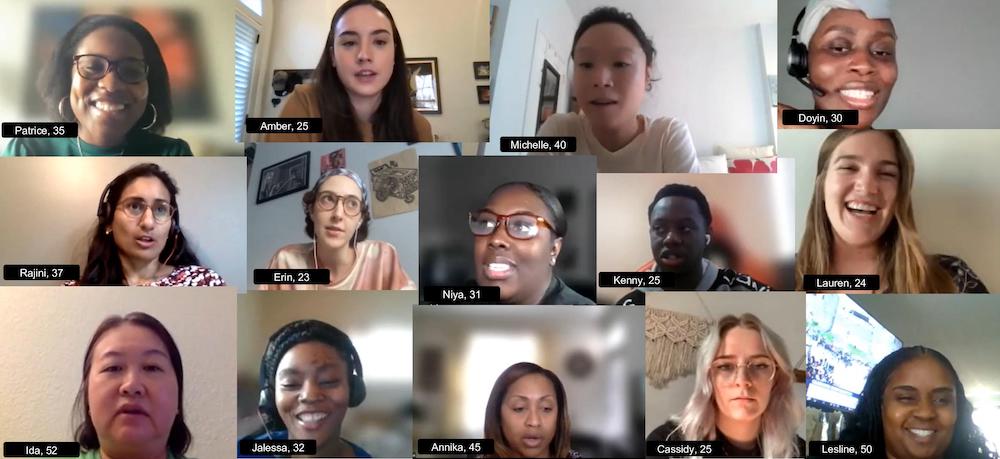
Embarking on a five-week sprint, the goal was to showcase the potential development of a rapid learning engine for Personal Care Brand's latest haircare product. After careful research into the actual product, design targets emerged: Beauty-savvy Women of Color aged 30-55 and Gen Z Creative Individualists aged 18-25.
.JPG)
.JPG)
The user research focused on uncovering hair coloring behaviors, motivations, and unmet needs of target consumers. Through rounds of thoughtful synthesis for each participant, deeper insights and understanding were uncovered.
Designed two value propositions and brands targeting distinct consumer target groups to test product-market fit and key ‘leap of faith assumptions’; designed brand identities, packaging design, product portfolio, live websites and creative communications.
40+ ideas generated in one session
950 consumers surveyed within 24 hours
.JPG)

The insights from user research led to the creation of a couple different ideas. After a series of ideation sessions with the team, the ideas were further developed into unique concepts to test.
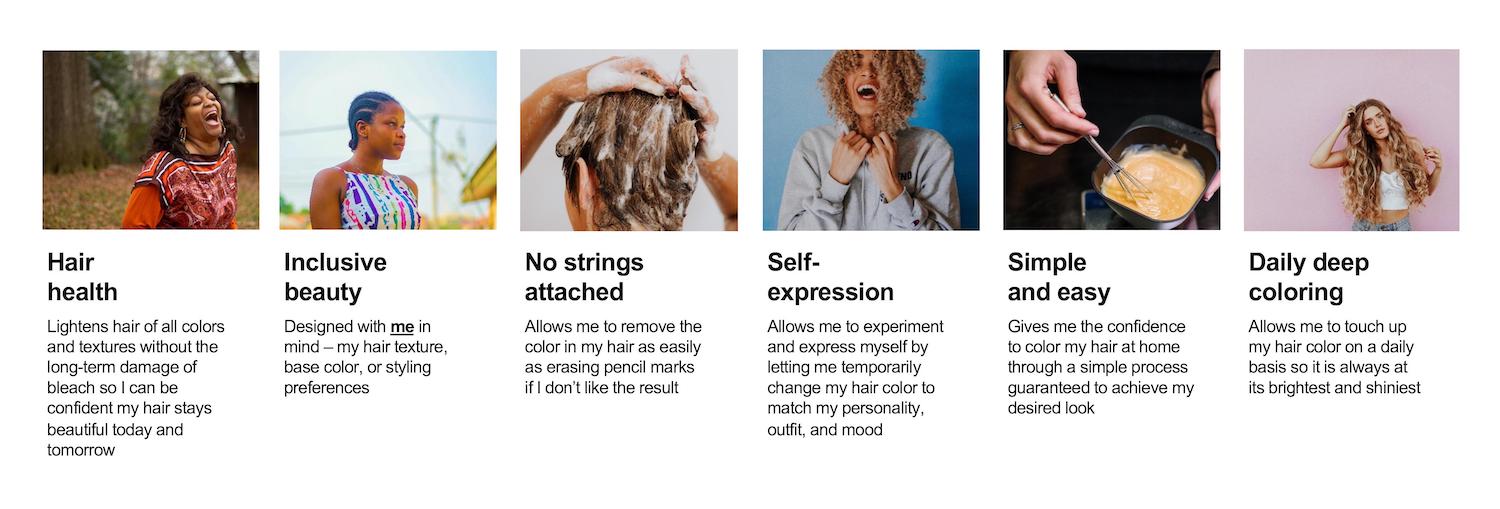
We consolidated our ideas into distinct product benefits to test with our design targets. We surveyed 950+ consumers within 24 hours to test the response to these product benefits.
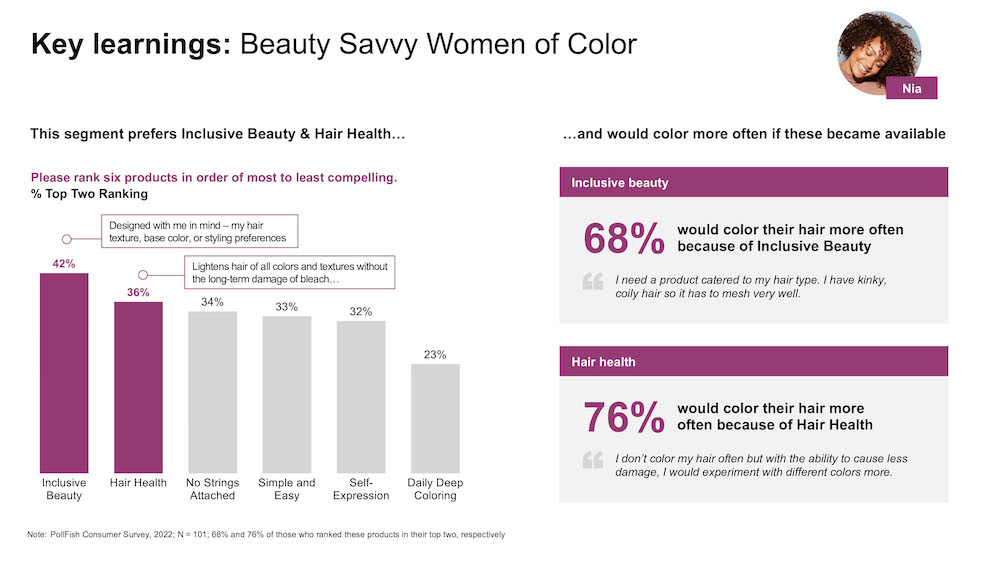
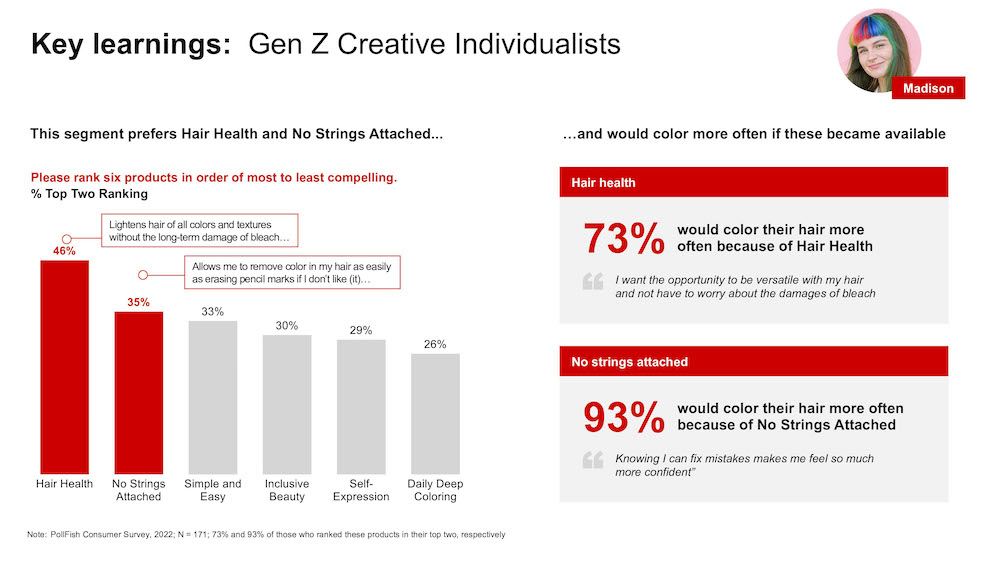
Some of the key learnings from the quantitative survey were that Women of Color preferred inclusive beauty and hair health, while Gen Z consumers were more interested in no strings attached in addition to healthy hair.
How can we rapidly test our value propositions in market?
2 brand designed to bring value props to life
20+ brand assets designed
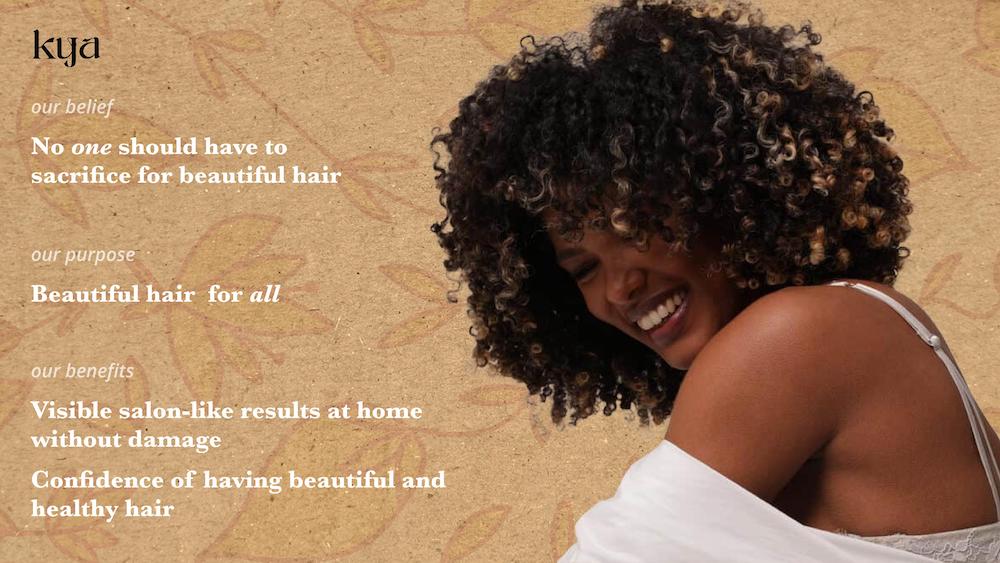
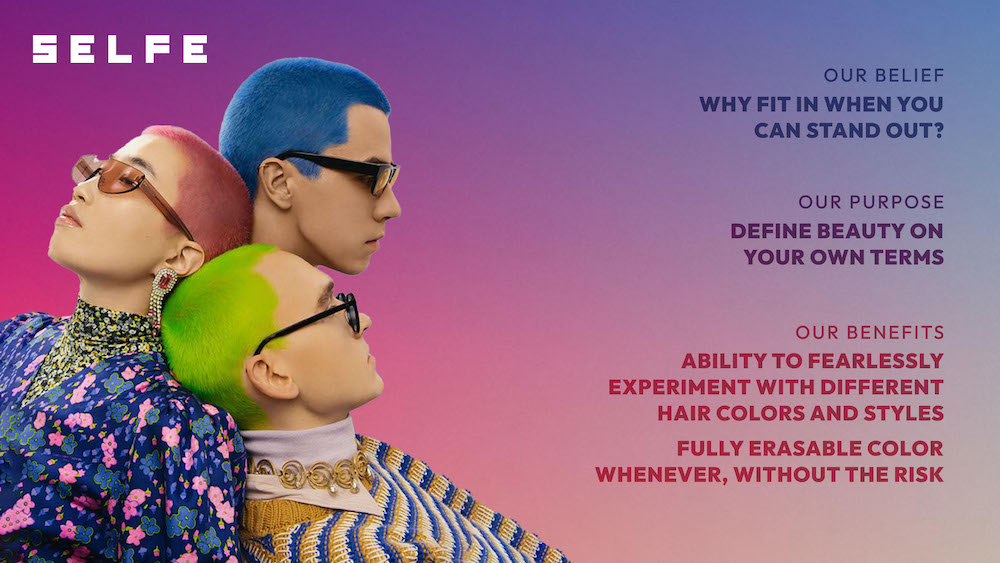
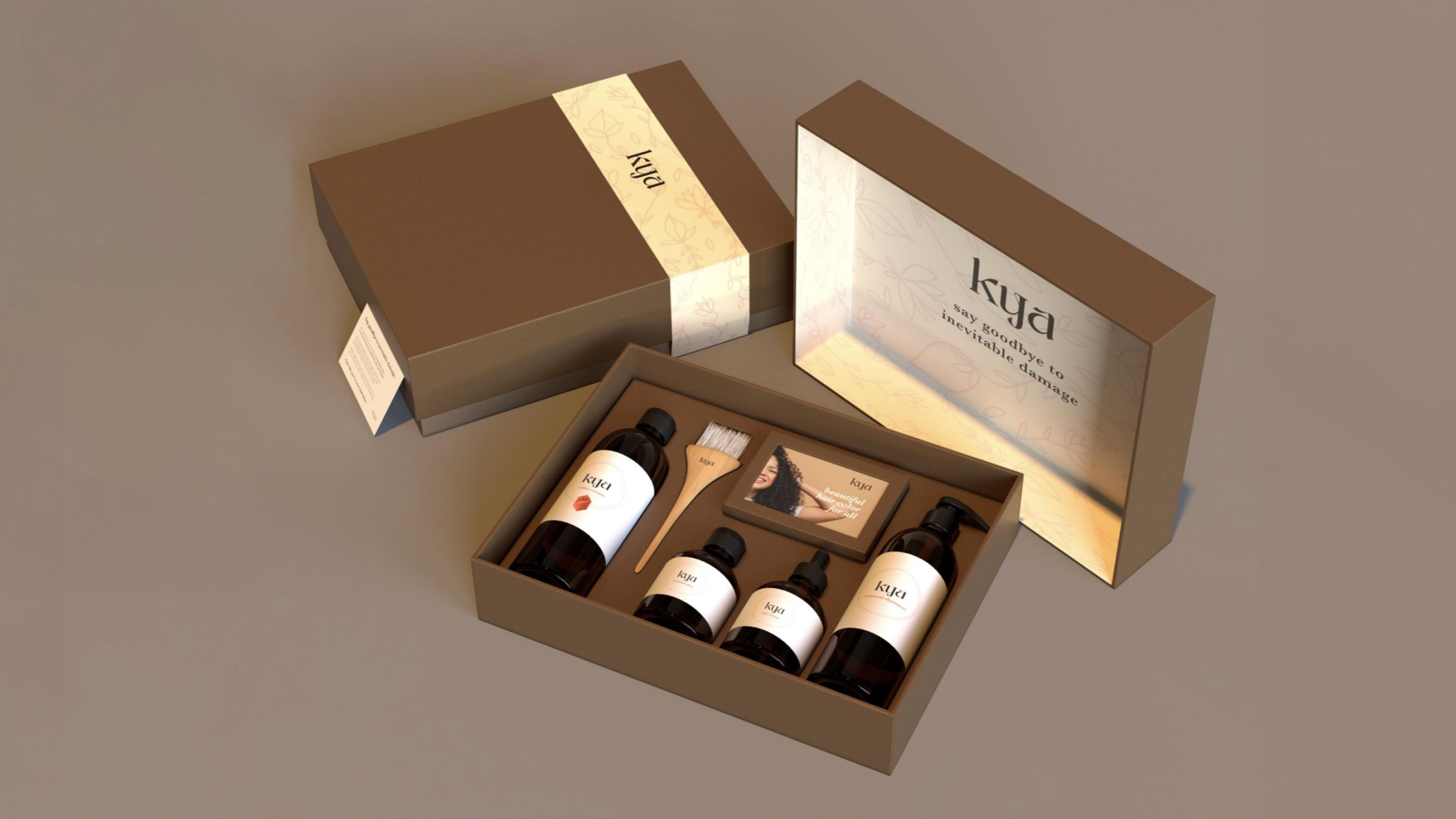
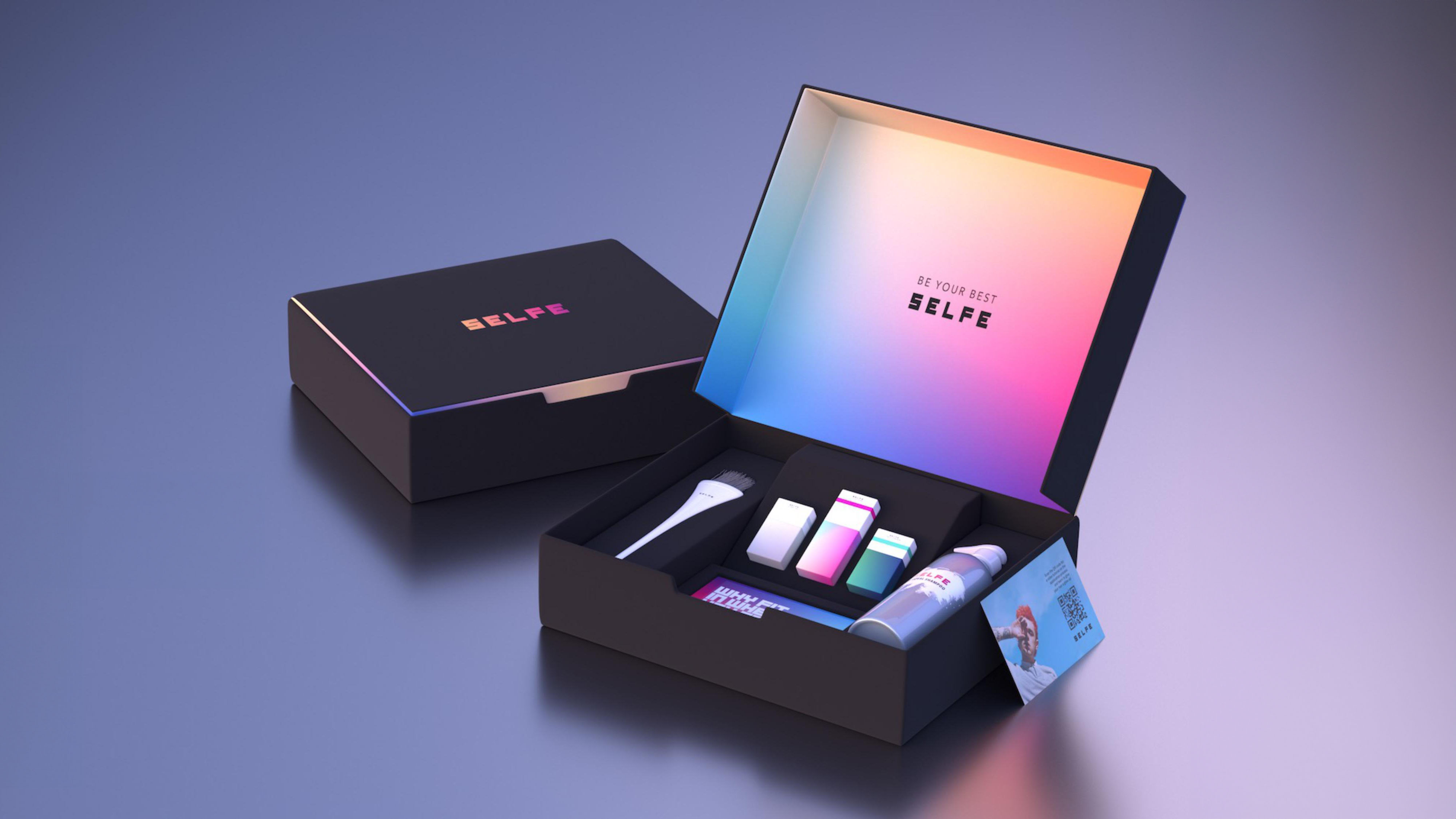
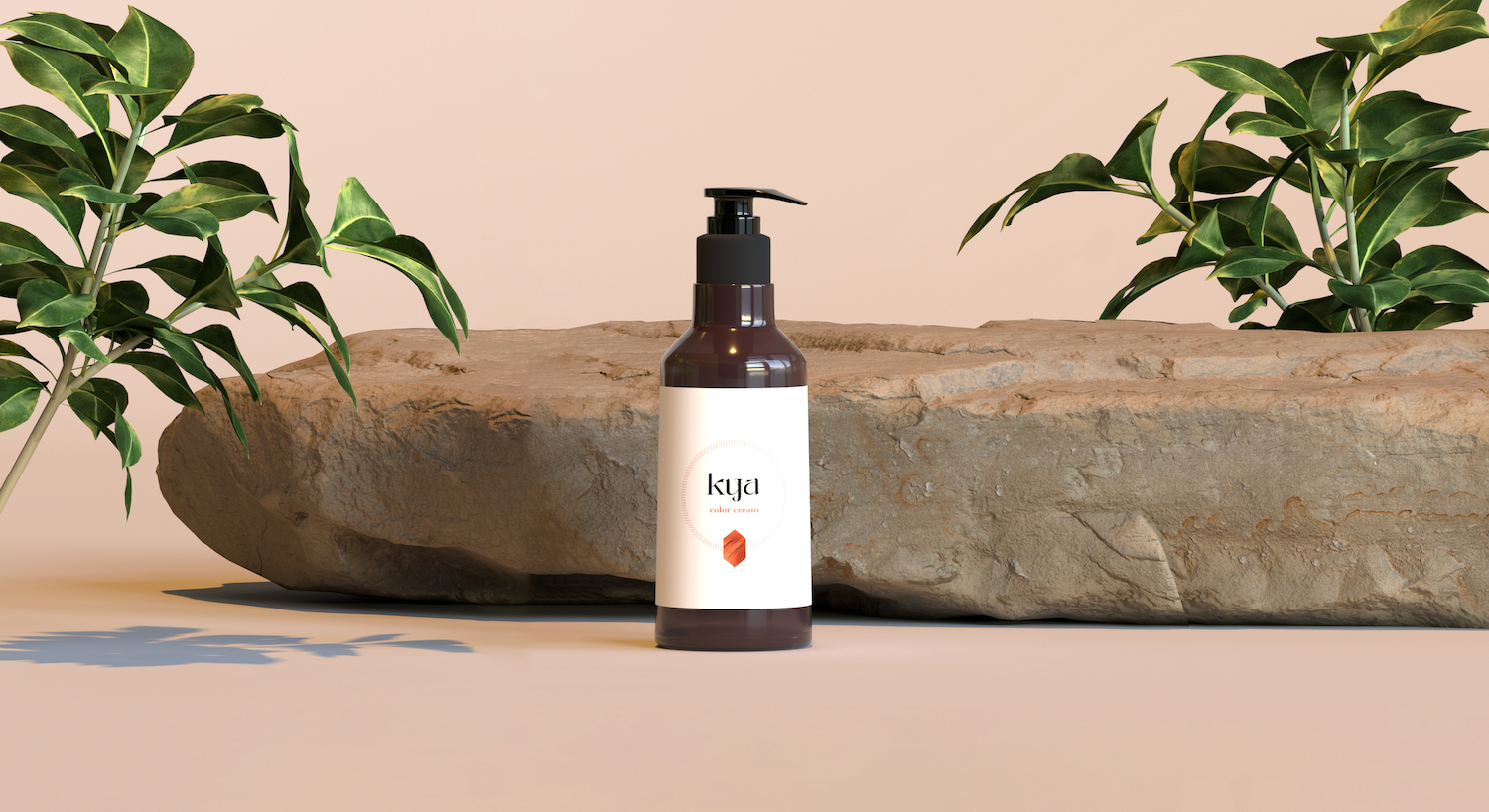

With the knowledge and insights from the user research, we built two distinct brands to bring our ideas to life. KYA was created for Women of Color, marketed as a "temporary hair coloring product without pre-bleaching for all hair types and textures." SELFE was created for the Gen Z creatives, positioned as a "fully erasable and non-damaging temporary hair color."
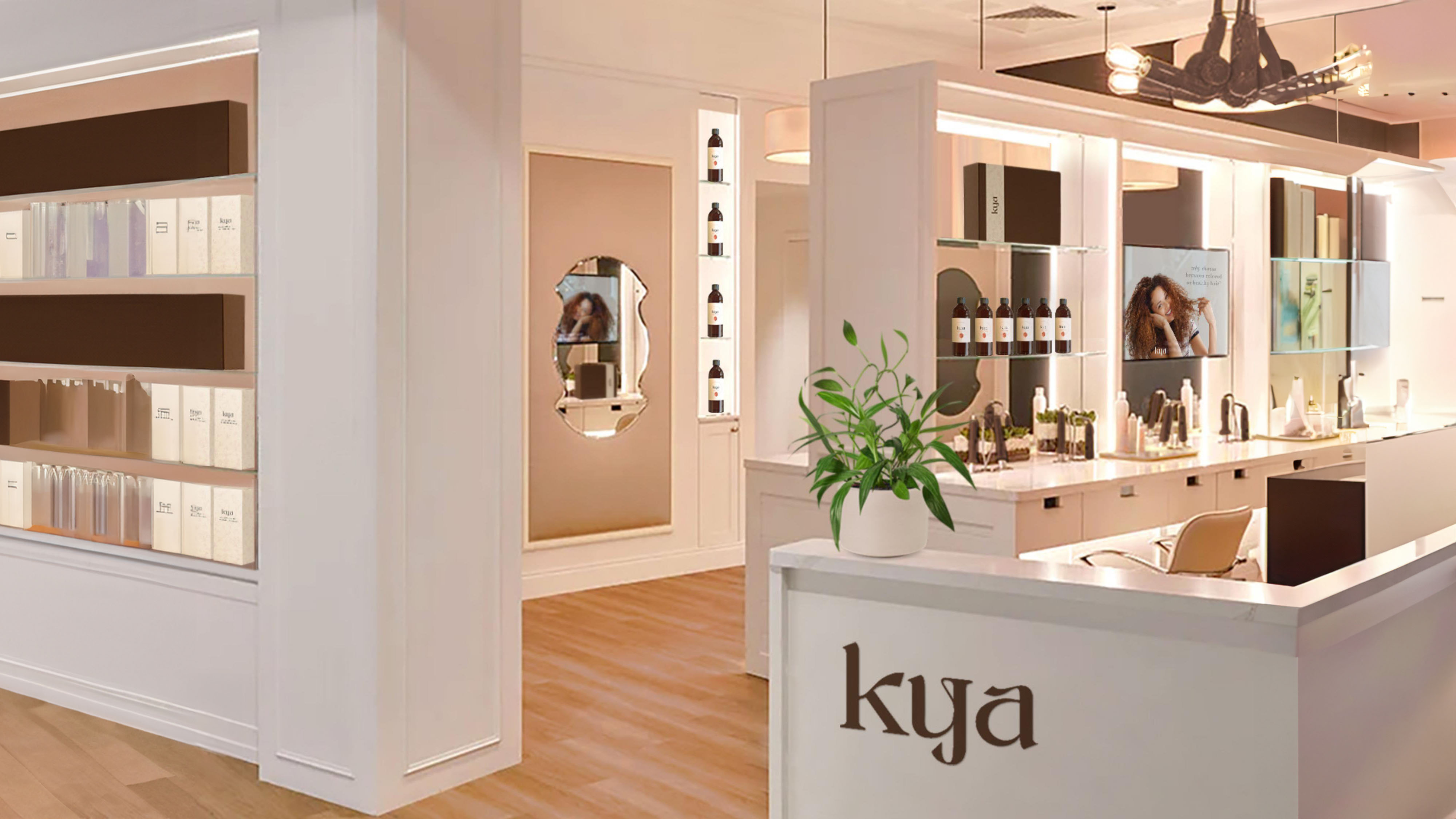
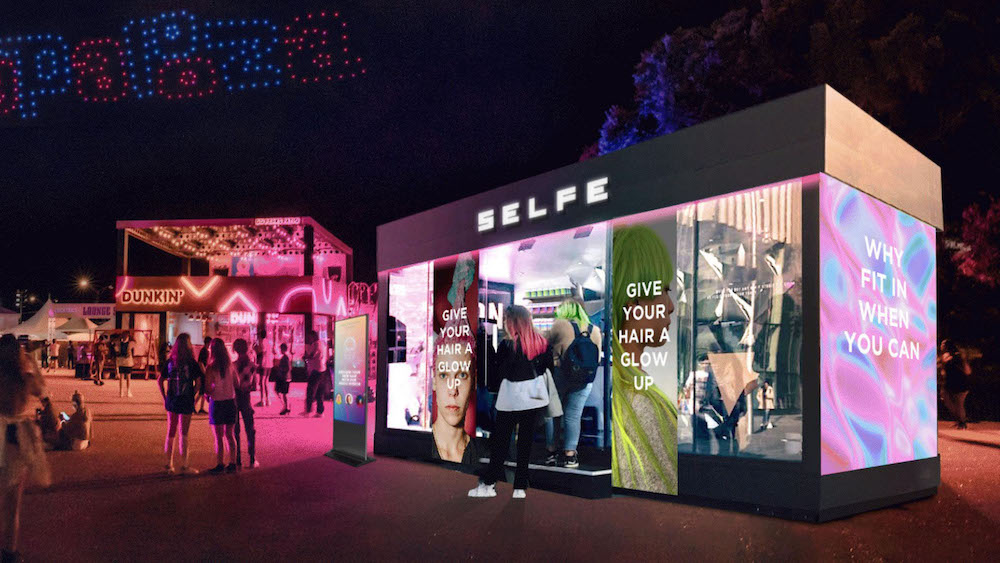
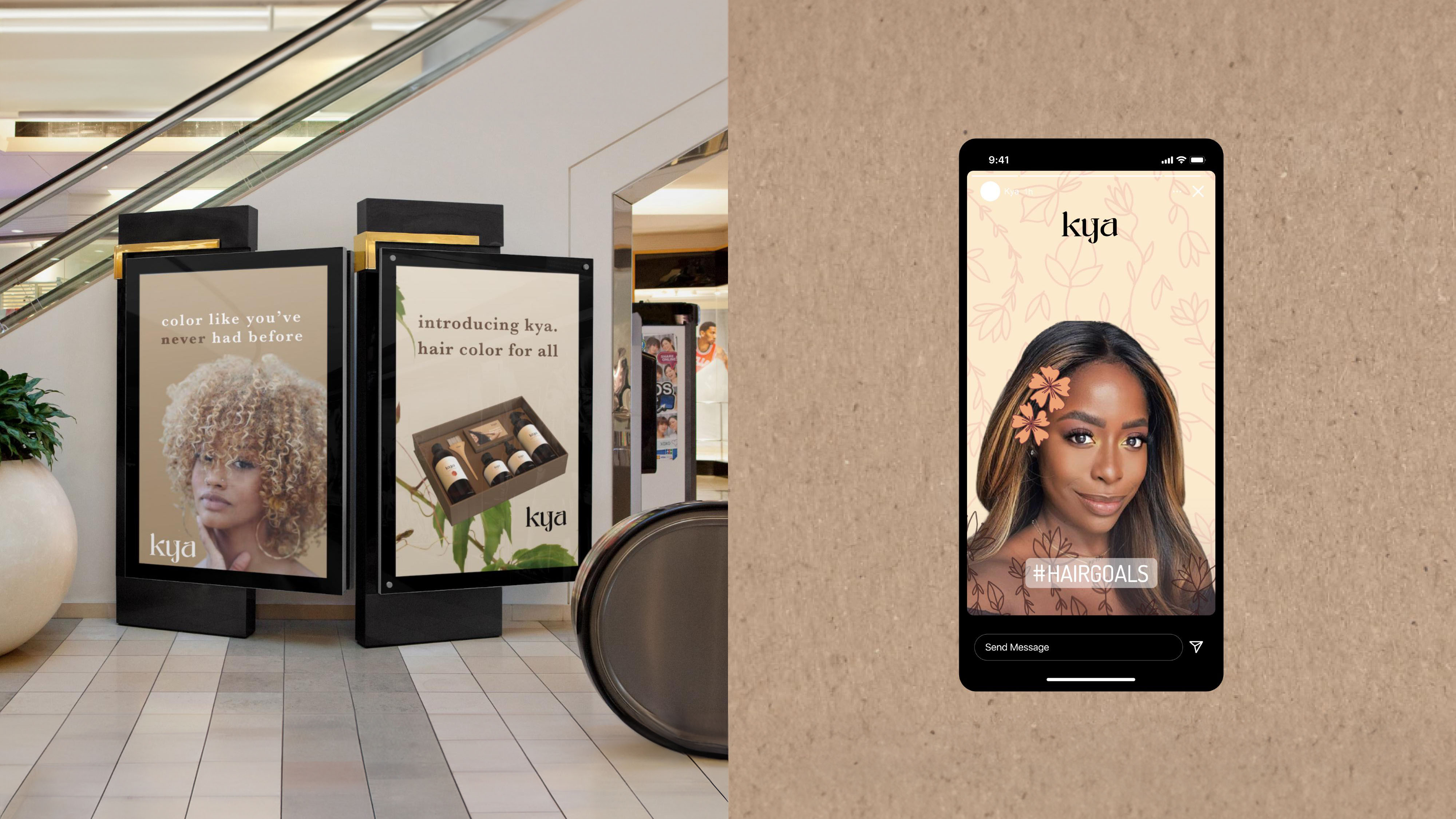
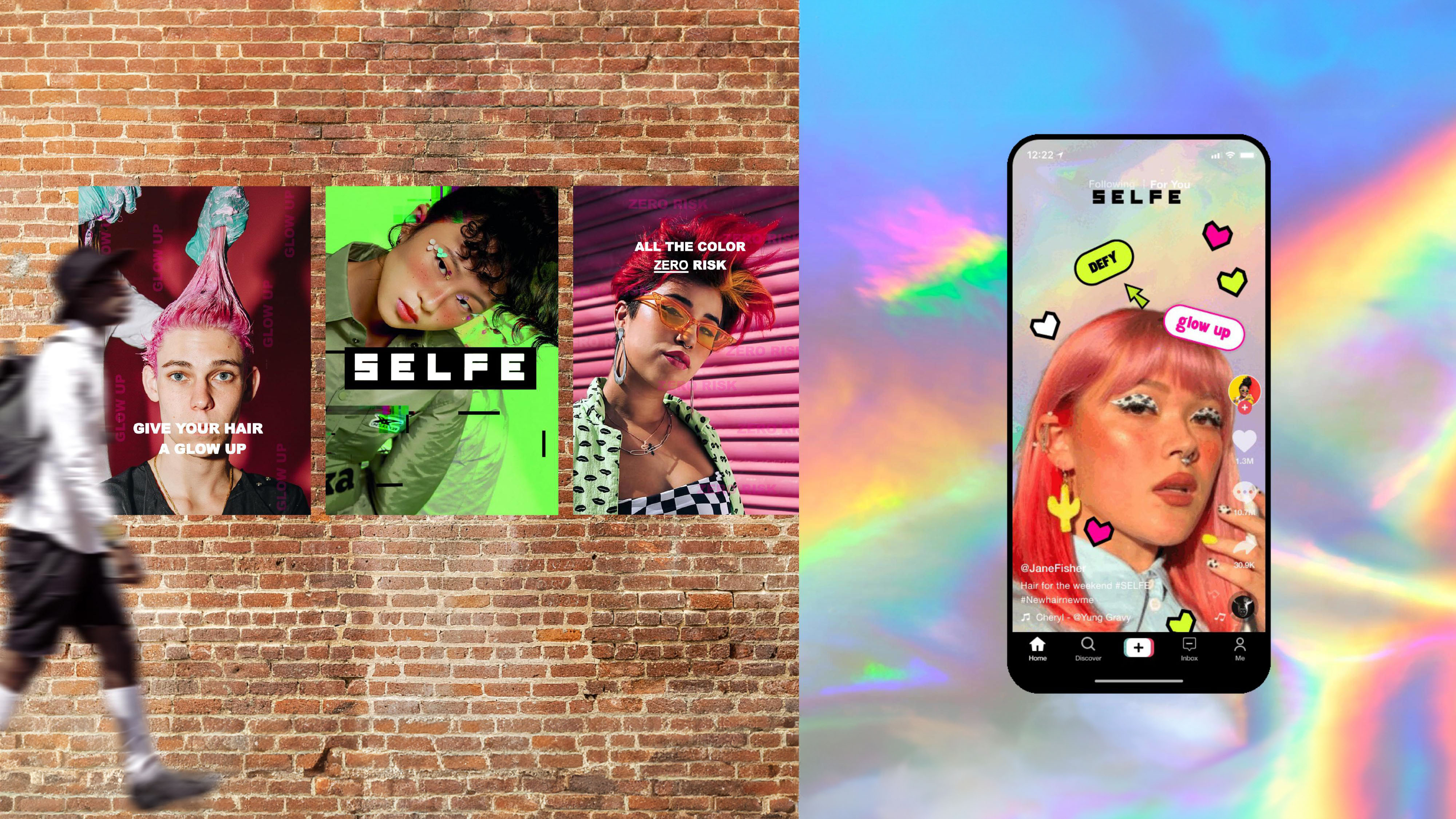
We envisioned how the brand would appear in the real world - from billboards to pop-up color bars. We created physical and digital marketing materials for both brands, strategically designing for our two distinct target consumers. KYA showed up in malls, targeting middle aged women of color on Instagram, while SELFE presented itself at music festivals and TikTok ads to grab the attention of Gen Z youths.
Please scroll inside the desktop below to see more!
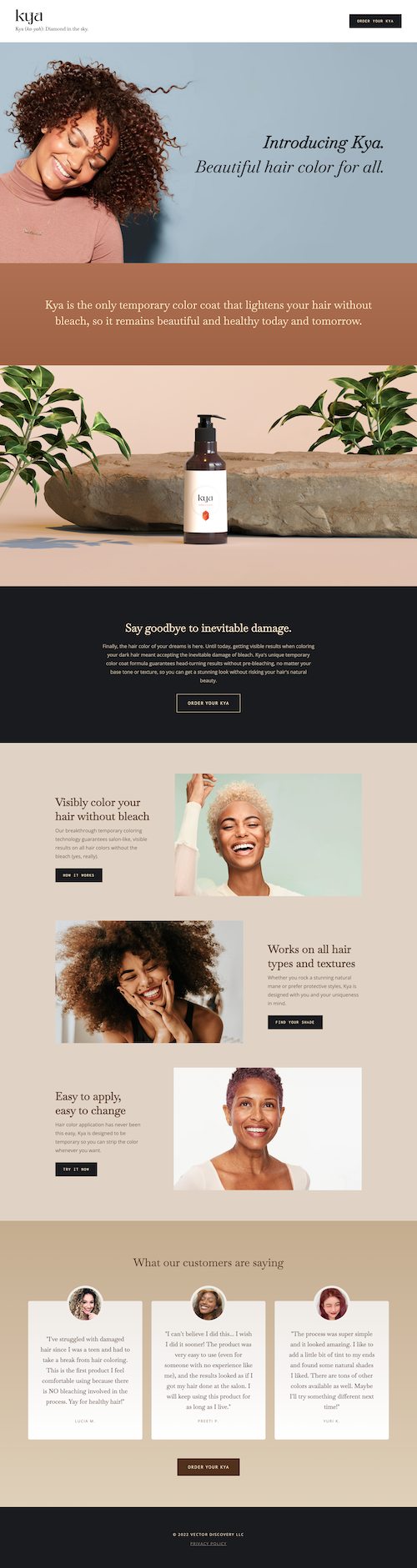
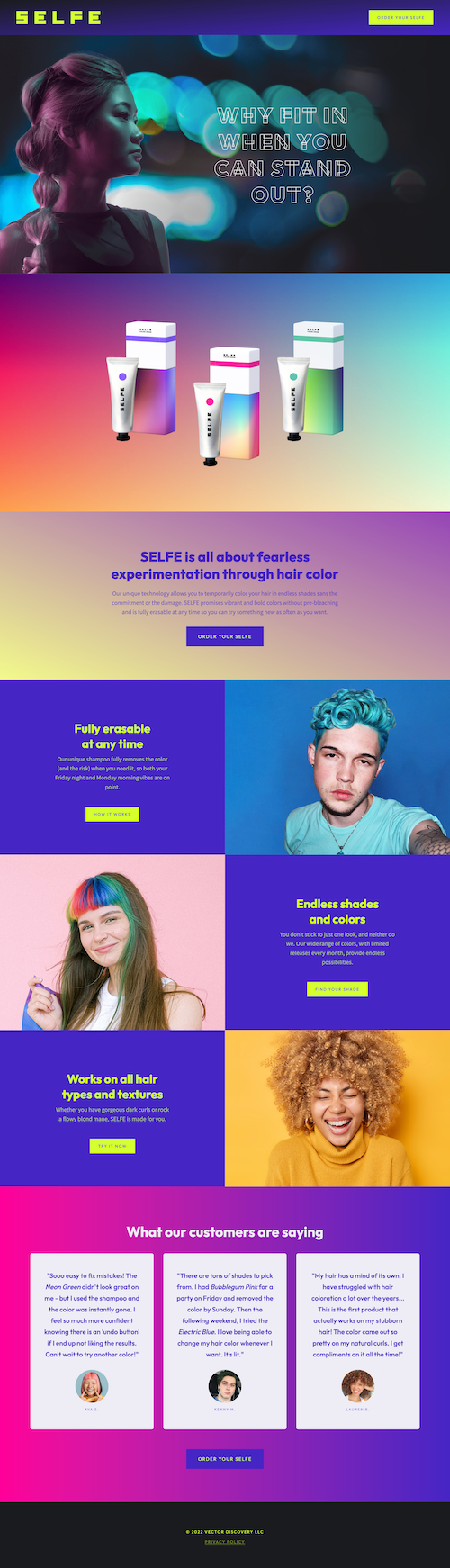
Once the brands were fully conceived, websites were built for each one. These landing pages were launched to the public for consumers to interact and learn more. Our team used these websites for further testing to gather in-market signals from real consumers.
Determine customer desirability and priority of selected concepts, evaluate concept features, design, and value propositions through iterative customer feedback, and gain clarity on next steps and the path forward for further concept development.
170k consumers reached
~3K website visitors
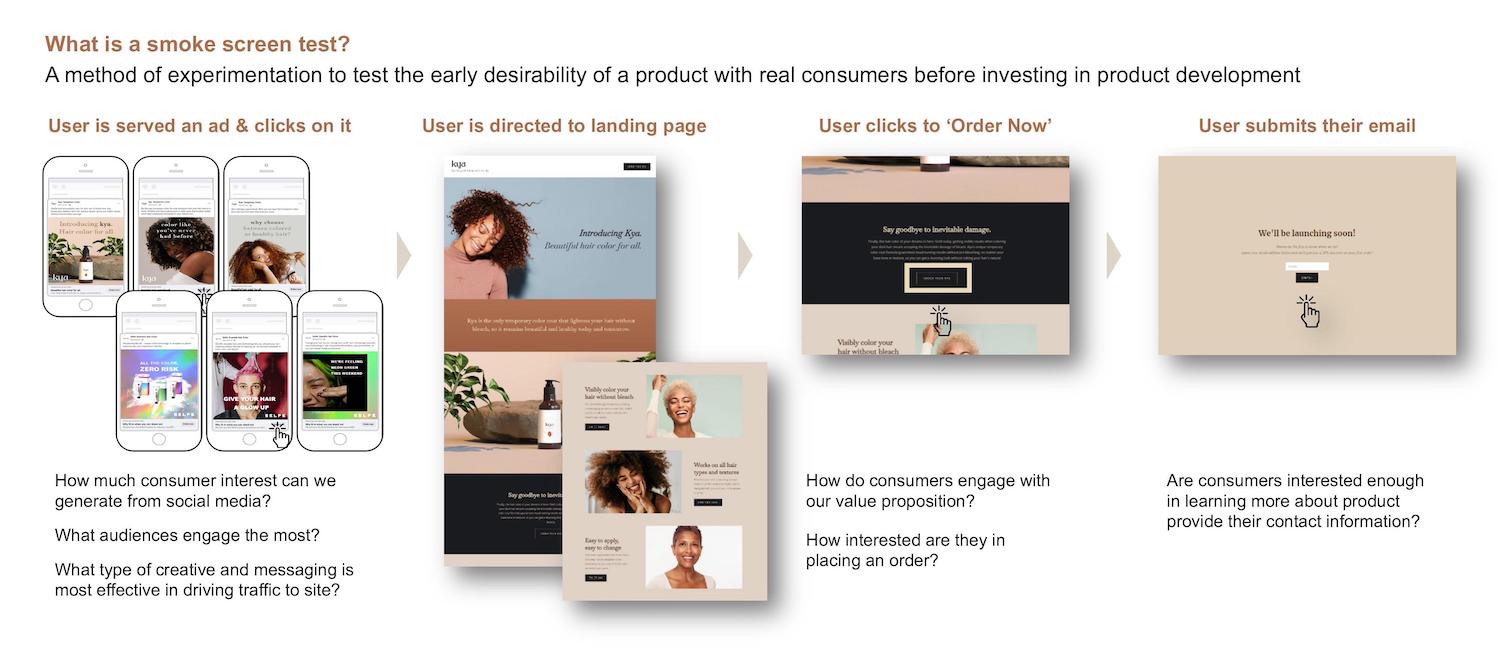
A smoke screen test is a method of experimentation to test the early desirability of a product with real consumers before investing in product development. We conducted these tests through social media ads, directing users to our landing page and tracking how consumers interacted with the brand. If a person was interested in the product, they could provide their email address to learn more.
.JPG)
.JPG)
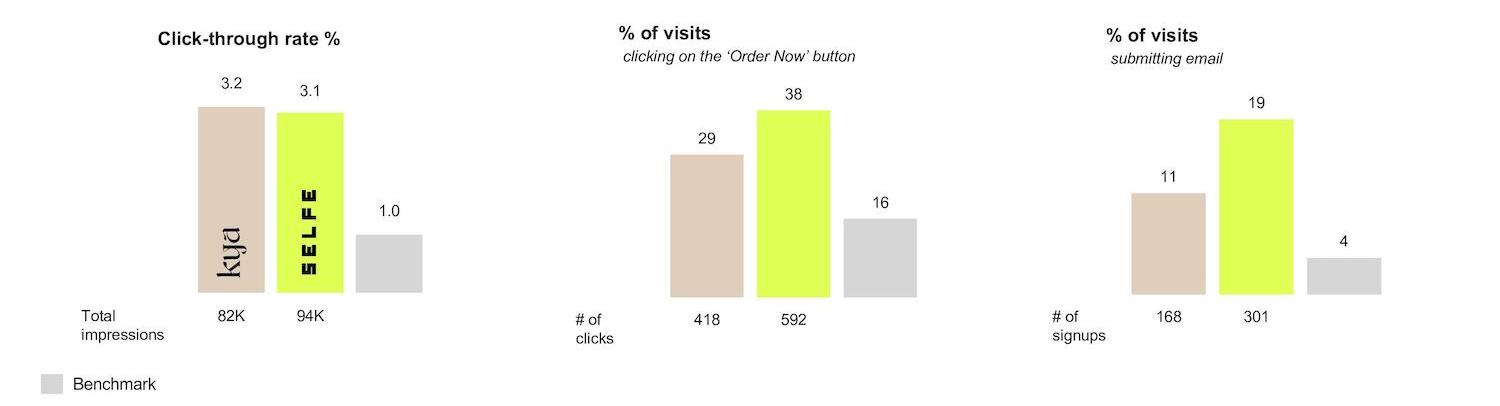
We learned from our data that both concepts performed very well, resonating very strongly, well above the average benchmarks. There were 3x more ad engagement, 2x more order intent (i.e., clicking order now), and 4x more lead capture (i.e., submitting email) compared to similar smoke screen tests.
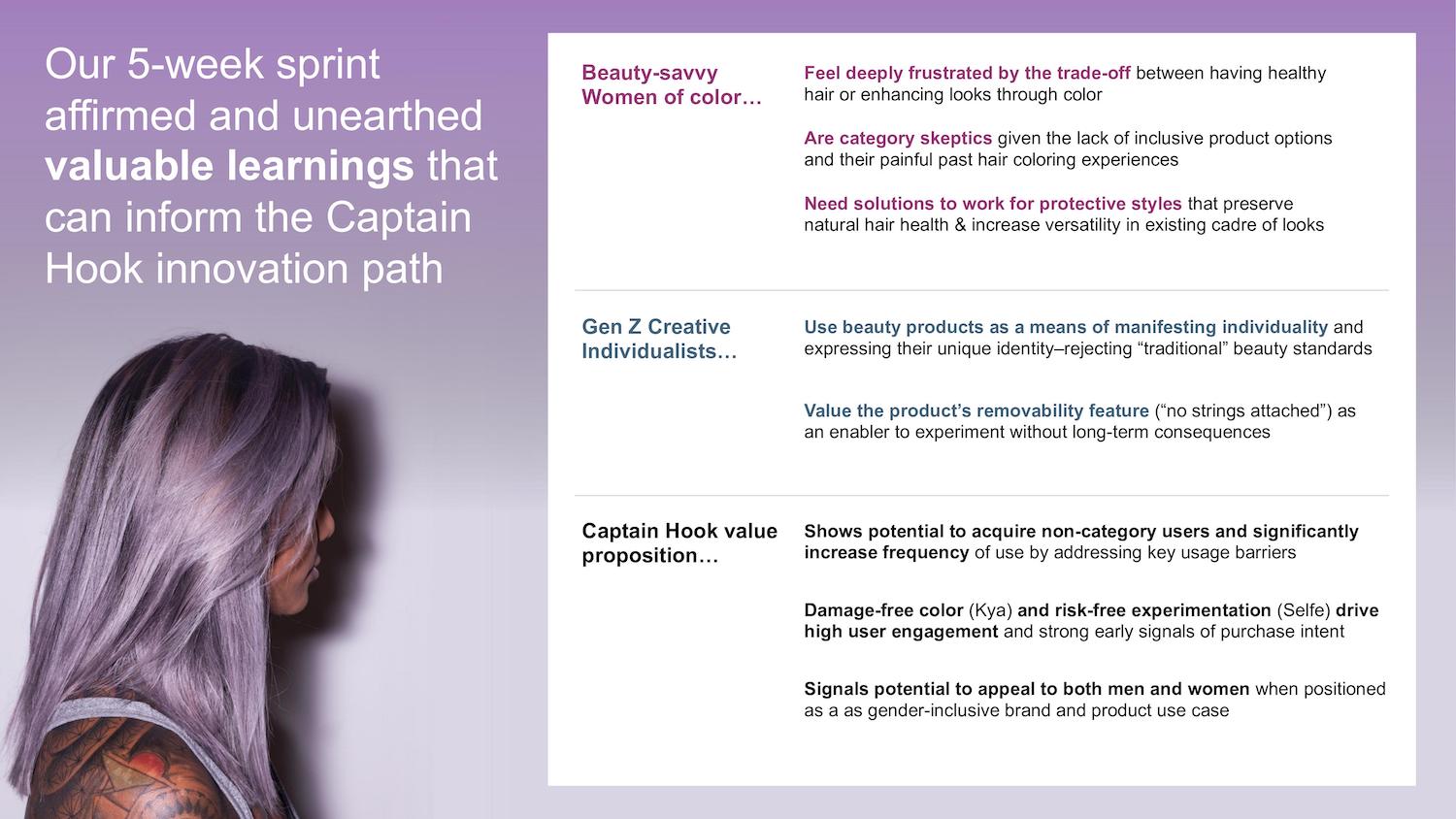
The five-week sprint highlighted the significant potential of this new hair coloring product, with the possibility of growing into a >$1B business.
3x ad engagement of prototype brands compared to platform benchmarks
4x lead capture of prototype brands relative to comparable tests
~90% of respondents would use this product more frequently if offered their target-specific value prop
The Client: The client is a global retailer specializing in lingerie, clothing, and beauty products. It is the world's largest intimates specialty retailer, with over 1000+ retail stores in ~70 countries.
The Challenge: Lingerie Retail Co. credit card program has been highly successful and represents approximately 30% of their overall business (sales). However, the program has started to experience declining performance across Acquisition and Tender Share over the past ~2-3 years. Given the ever-changing macro environment, consumer trends and expectations, and the disruption in the financial and retail industries, the client is making an investment to enhance the credit card offering (beyond the traditional value proposition).
Tools Used: Respondent (user research), Zoom (moderated interviews), Miro (virtual collaboration and ideation), Figma (design and prototyping), Reduct (video transcripts), Remesh (market research), and more.
Project Timeline: 11 weeks
My Role: Design Lead — User Research, Design Strategy, Visual Design, Wireframing, Prototyping, Storyboarding, Journey Mapping, Mobile App Design, Copywriting
What is the aspiration?
To create the best financial product for women
What is the design challenge?
How might we accelerate Lingerie Retailer's brand transformation by delivering a compelling financial concept that drives sales?
What will we have by the end of the project?
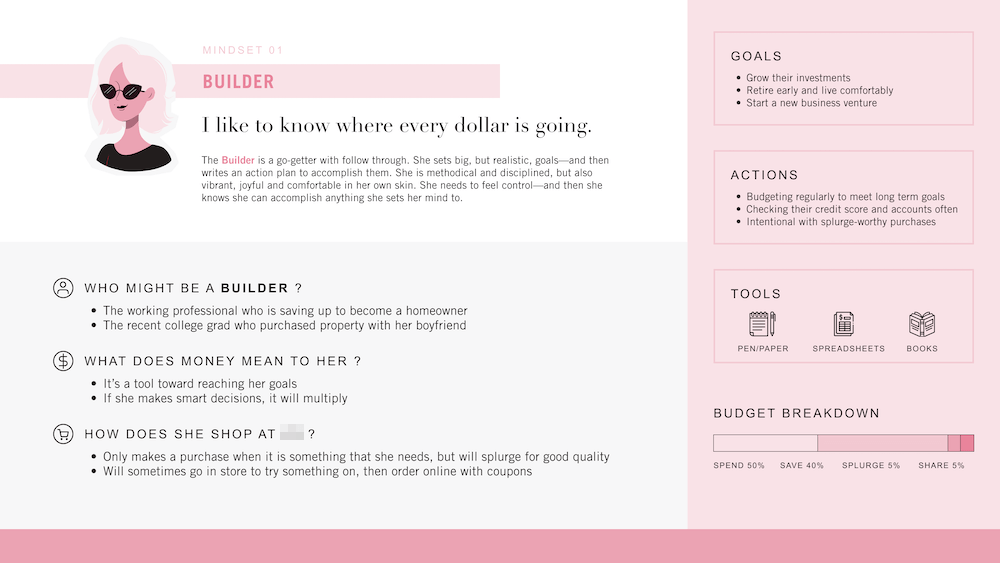
• Comprehensive set of insights of customer/cardholder's needs and current pain points
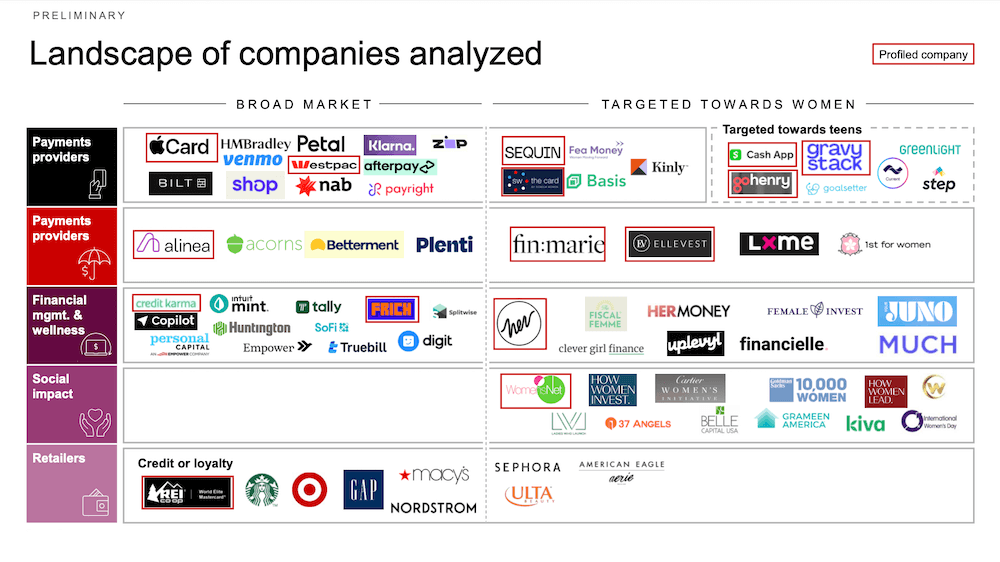
• Landscape and disruptors in the opportunity space (to consider for potential partnerships / M&A)
• Backlog of high potential opportunities for the credit card(s) offering, aligned with brand transformation
• Differentiated and appealing concepts, tested with current and potential future customers
• Storyboards and visual mockups/prototypes that demonstrate key features to bring concept(s) to life
• Leadership alignment on a path forward including delivery backlog, roadmap, and go-to-market (GTM) plan
• Set of robust, defensible KPIs and baseline / targets to measure and drive performance
Understand the needs and values of existing, former, and prospective credit card members, evaluate the current positioning of the card within the store context, test hypotheses for potential future offerings, and identify innovation opportunities based on member needs.
Site Visits
5 store visits with 1-3 hours of observation per session
Stakeholder interviews
18 management interviews with 10+ hours of insights captured
Customer Interviews
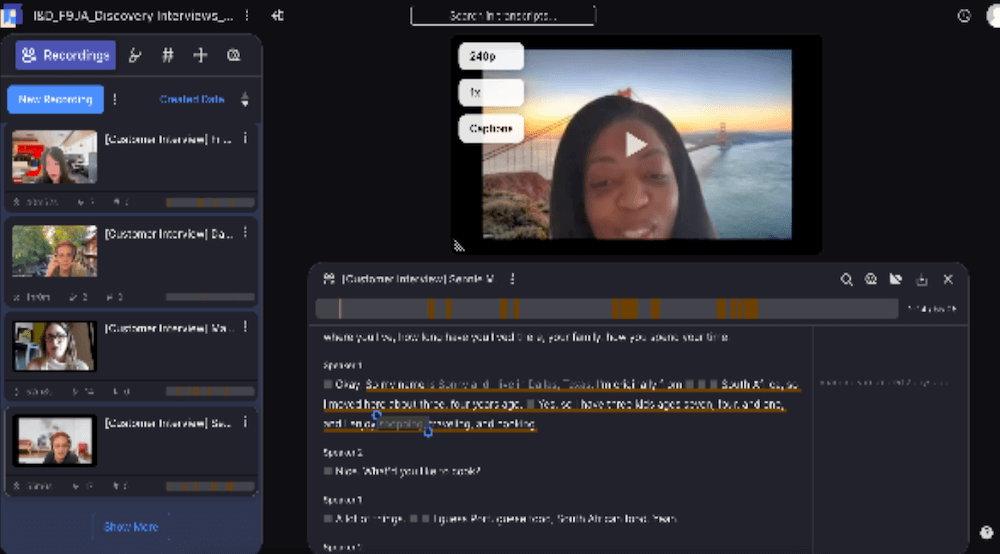
15 customer interviews with 24+ hours of interview footage analyzed
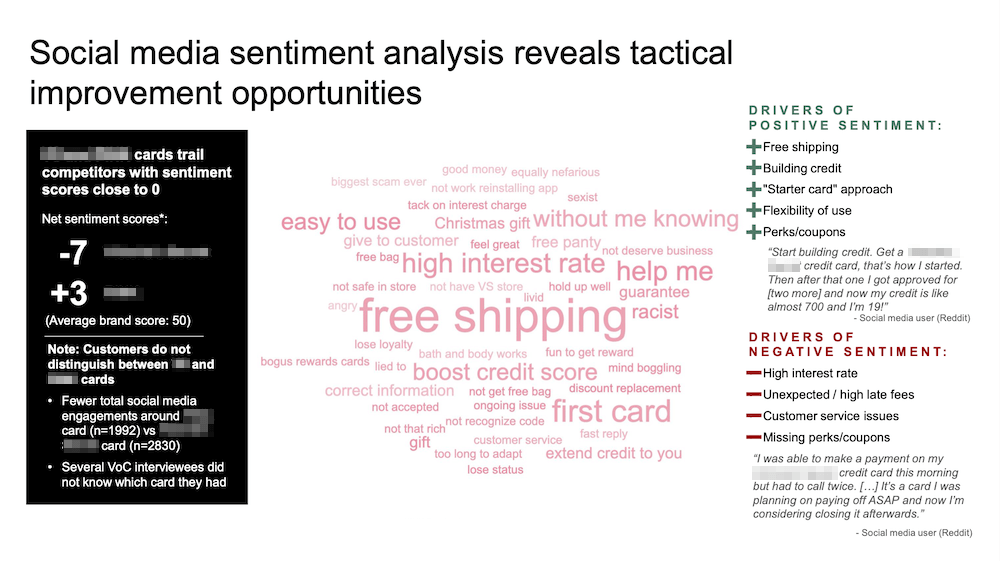
Sentiment Analysis
3990 Facebook engagements and 832 non-Facebook social interactions analyzed
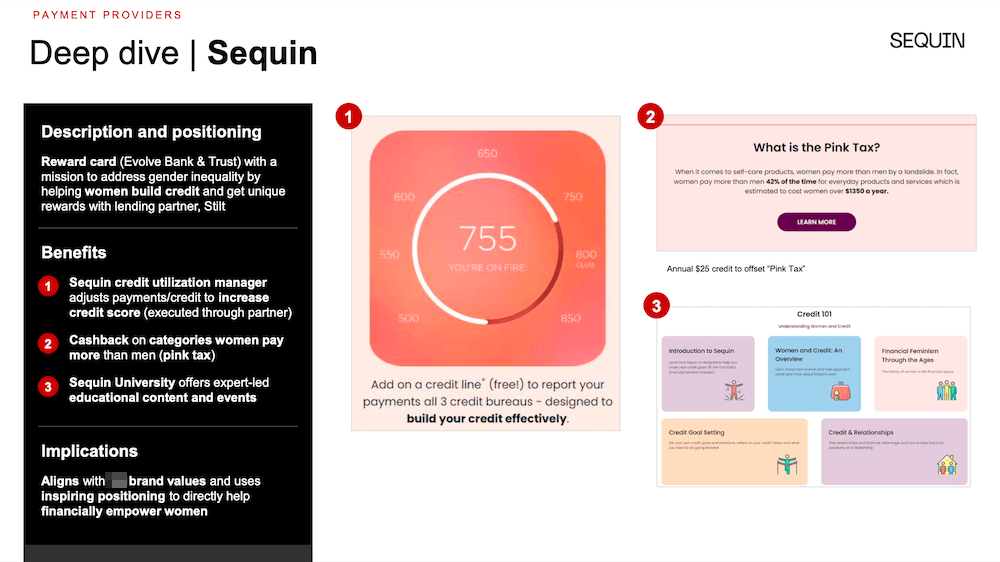
Market Scan
75 companies scanned with 15 deep-dive profiles created and analyzed




Conducted a virtual ideation workshop with the goal of generating creative solutions. The objectives included creating excitement around design challenges, connecting with customers, inspiring innovative thinking, generating numerous ideas, refining concepts, and planning for market implementation.
Participant Engagement
30 active participants
Idea Generation
235 innovative ideas produced
Concept Exploration
21 concept opportunities identified with 4 concepts pitched
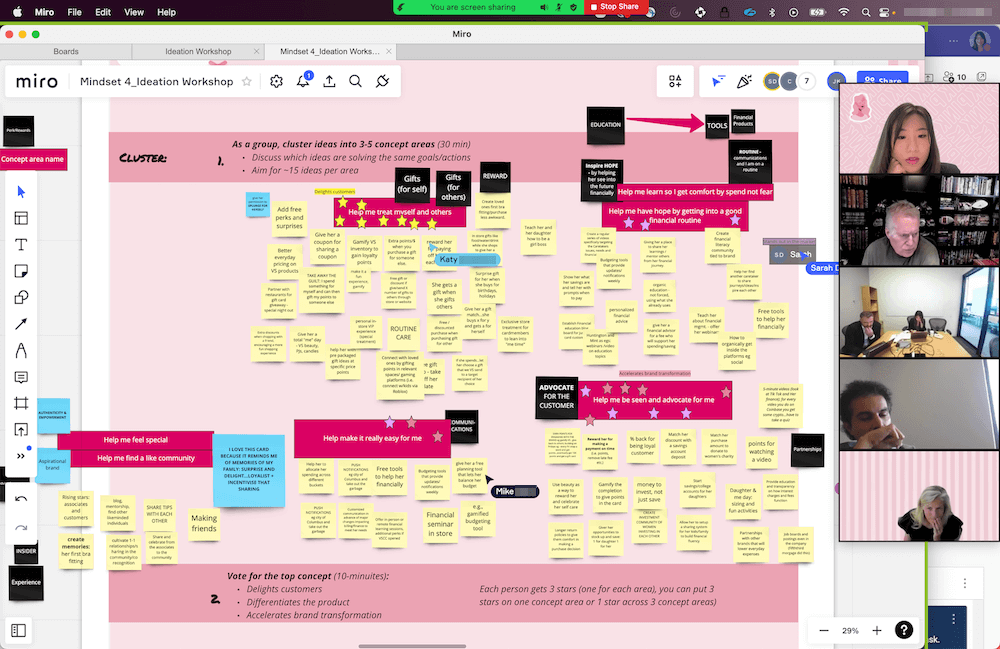
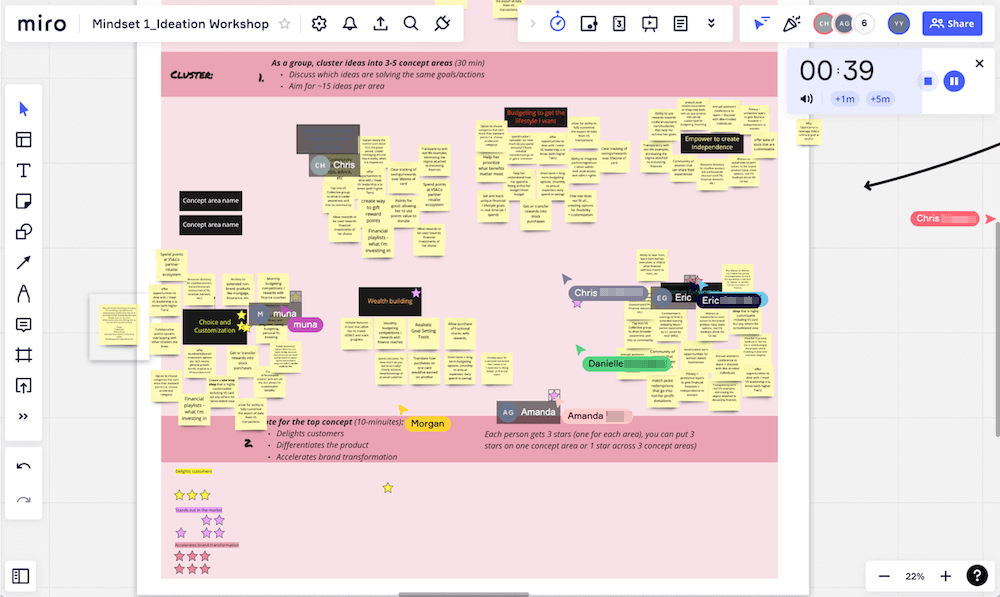
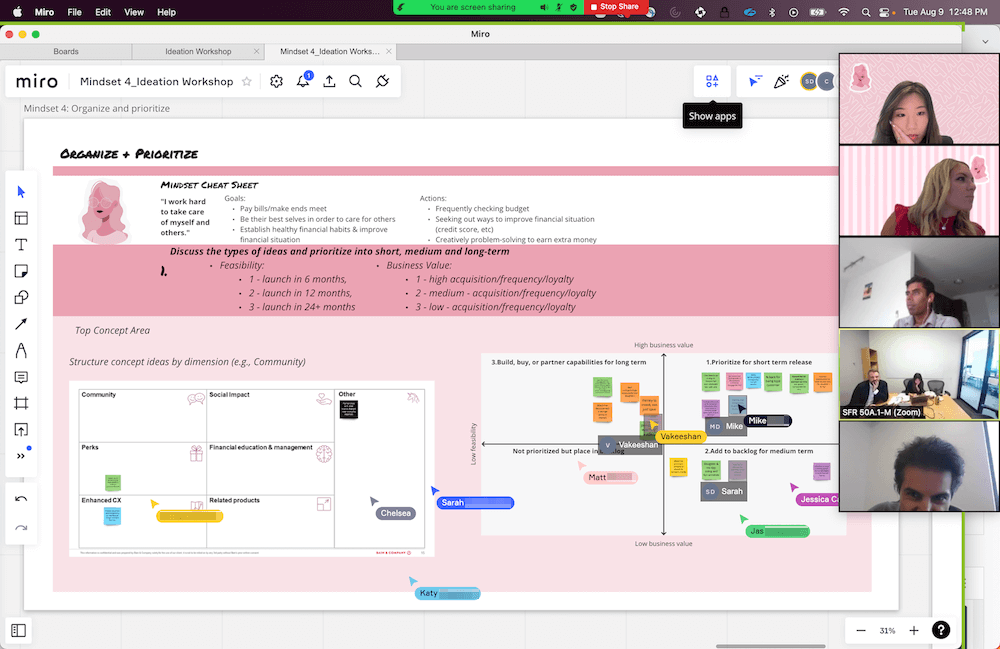


Seven initial concept directions emerged from the workshop
Concept refinement
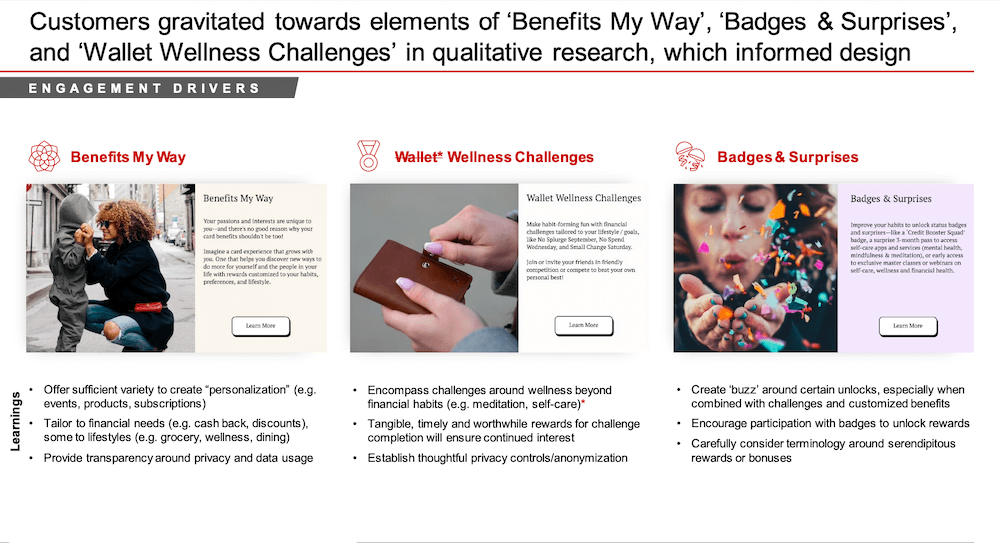
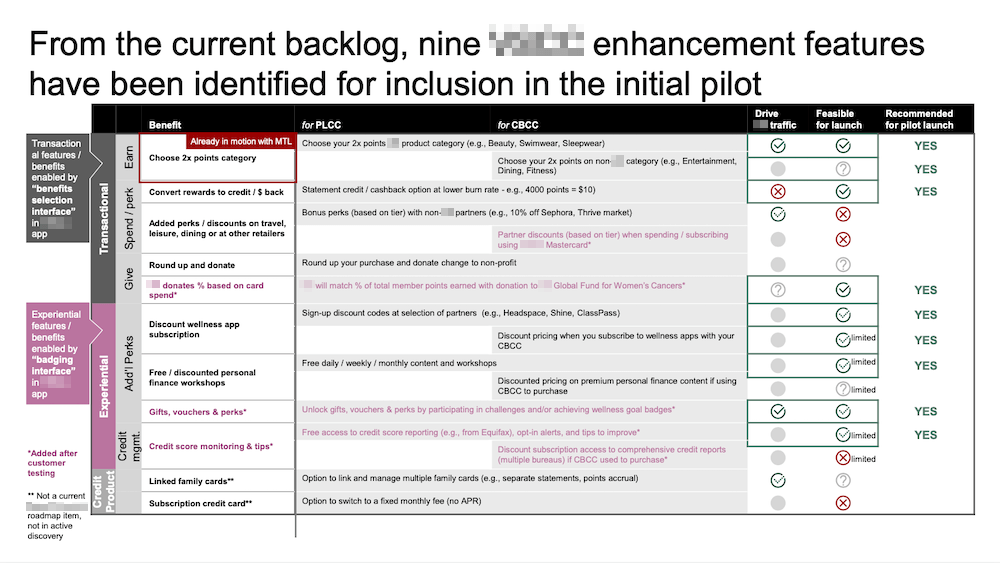
9 engagement drivers developed and tested
Benefit Articulation
15 benefits shortlisted
Prototypes built
7 storyboards, concept cards, and prototypes created


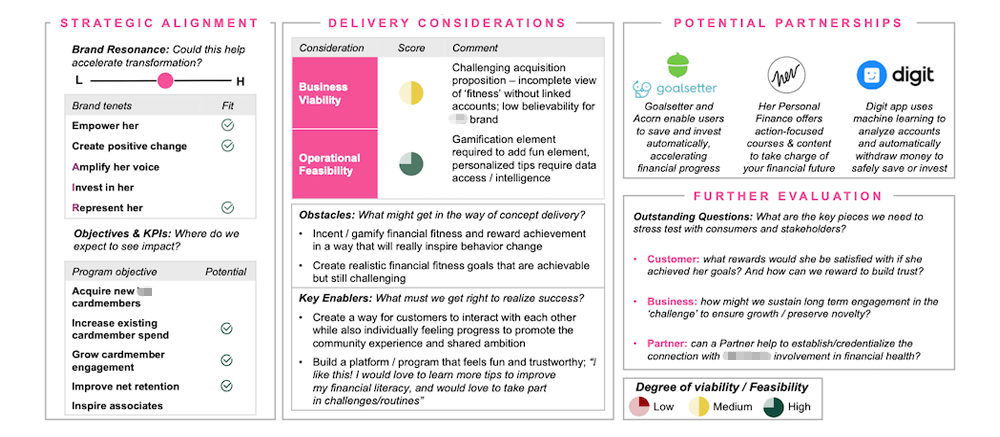


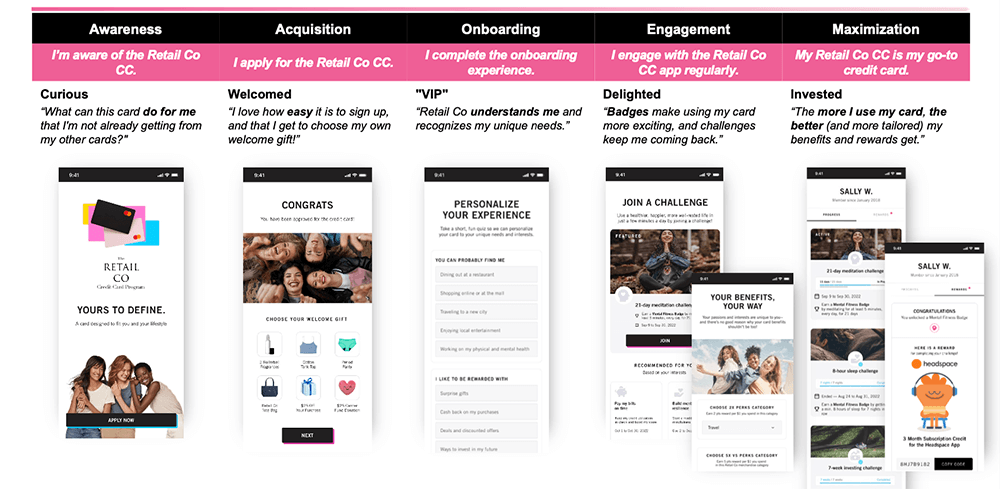
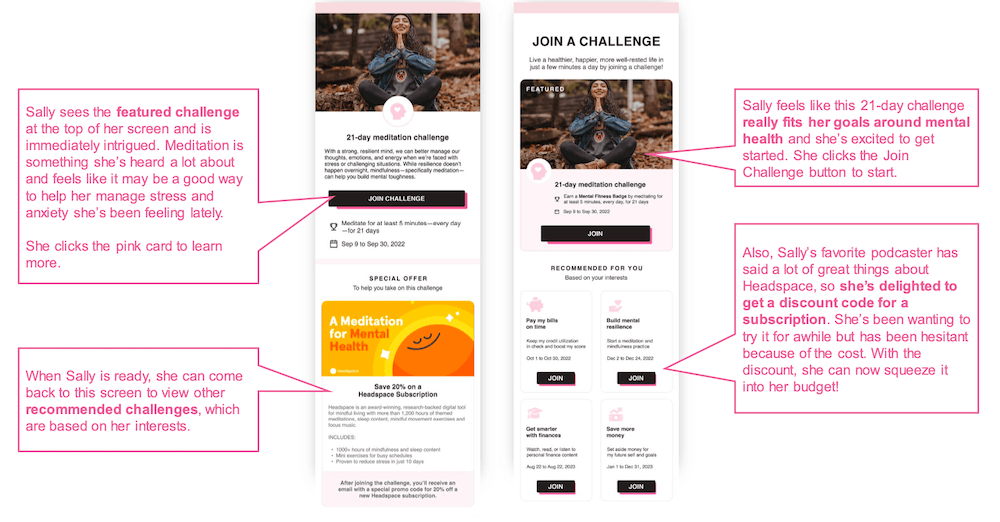


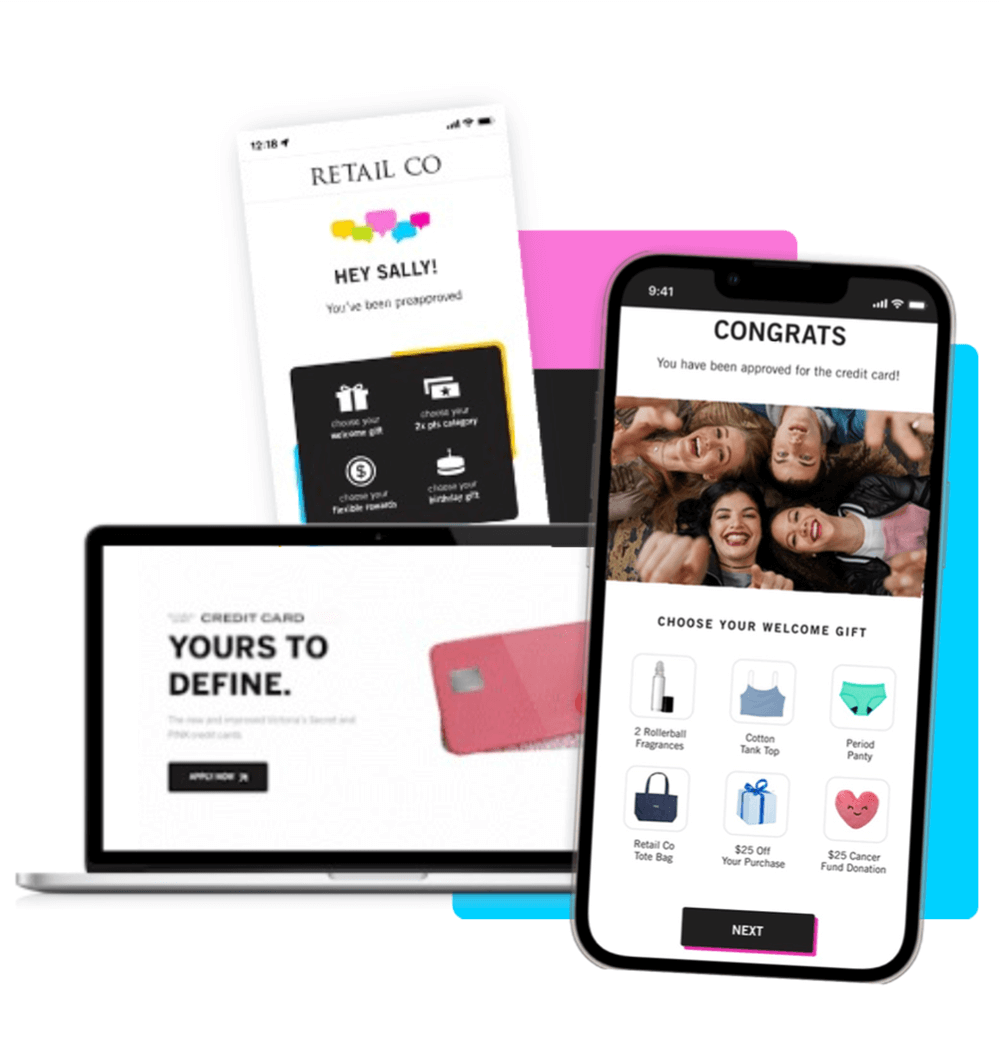
Determine customer desirability and priority of selected concepts, evaluate concept features, design, and value propositions through iterative customer feedback, and gain clarity on next steps and the path forward for further concept development.
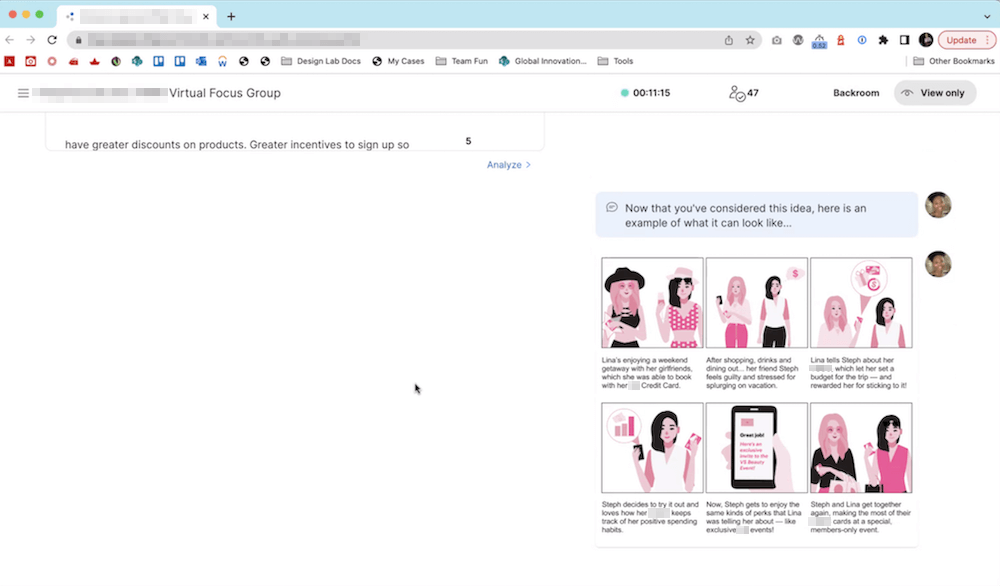
Virtual Focus Groups
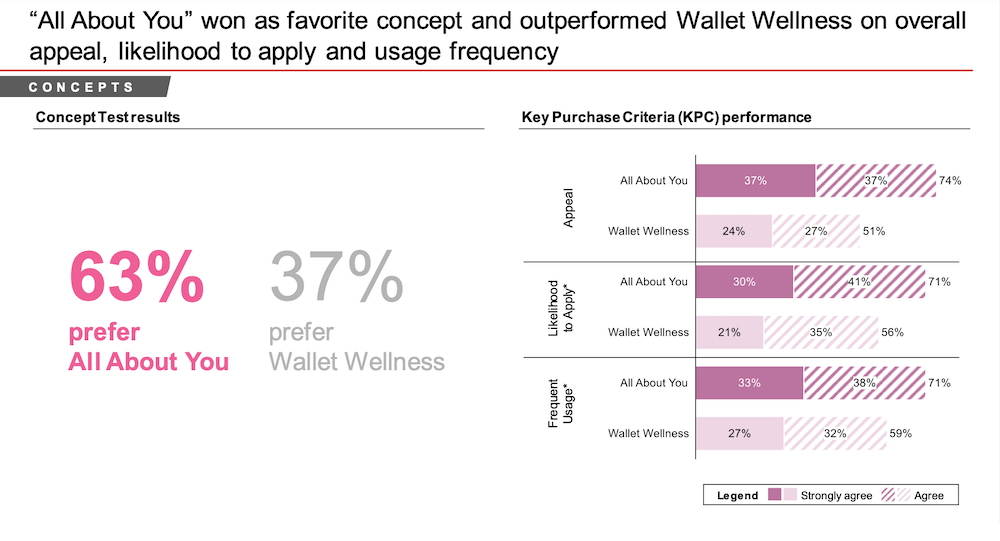
60 minute focus groups with 54 customers for initial concept reaction and desirability
Quantitative Survey
957 customers surveyed to assess preference for two high-potential concepts
Moderated 1:1 Sessions
60 minute in-depth interviews conducted with 10 customers to evaluate concepts


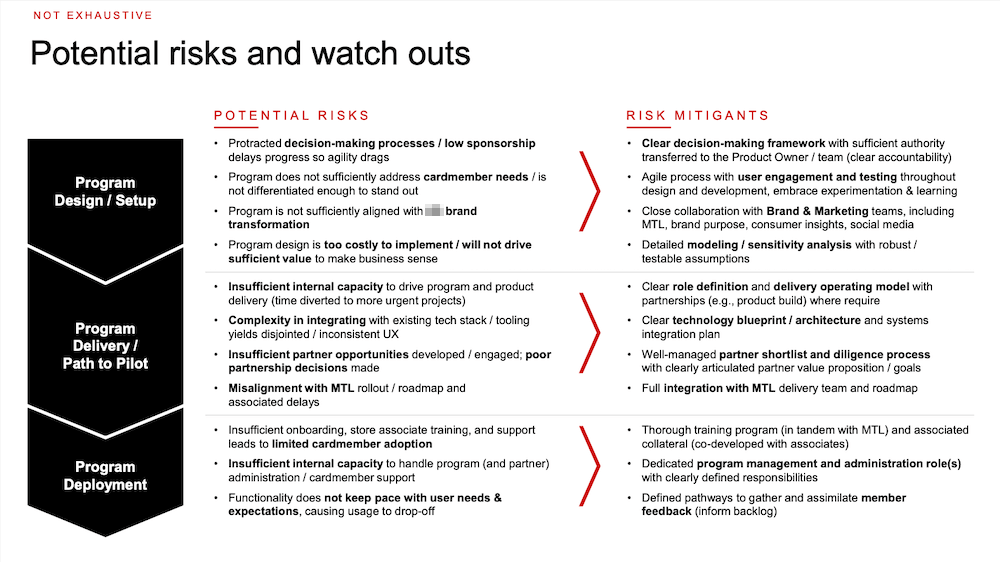
Outline how the company will bring its program to market and connect with customers. It involves understanding the target market, defining the value proposition, determining distribution channels, crafting a marketing plan to generate demand and awareness, planning the product launch, and measuring performance through key metrics.
Final program
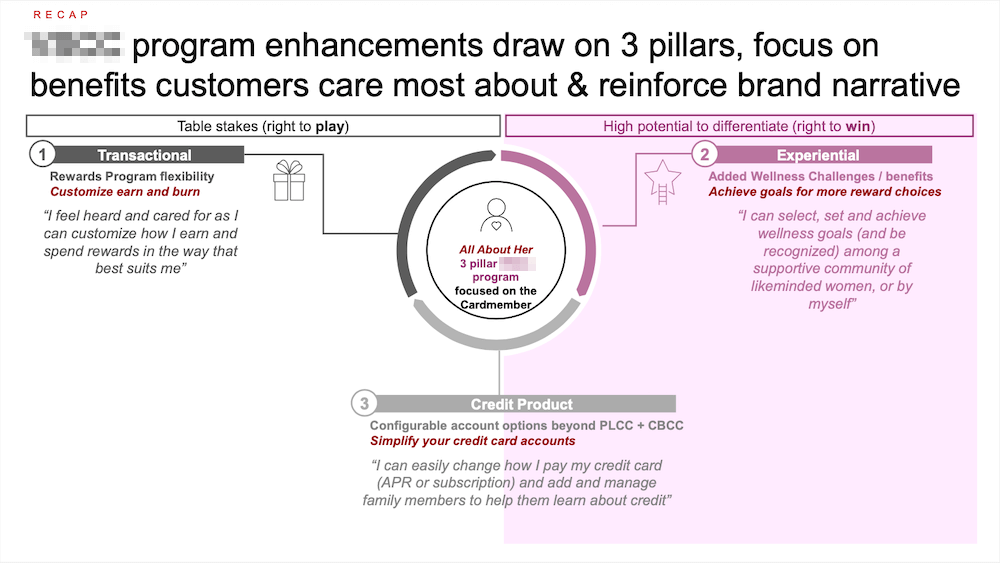
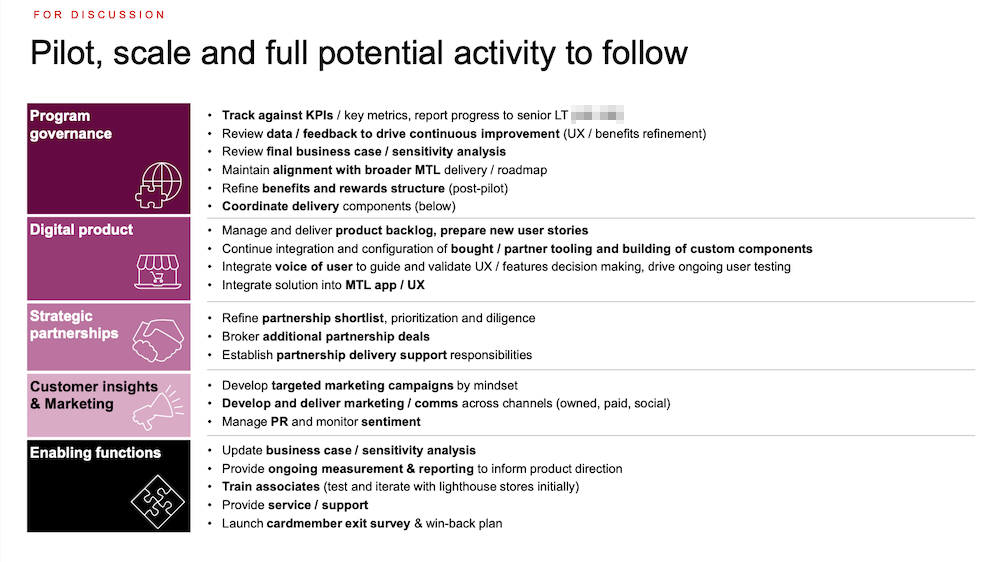
3 program pillars prioritize customer benefits and strengthen brand story
Go-To-Market Plan
3 primary GTM phases, in addition to mobilization, to reach full potential
Path to Pilot
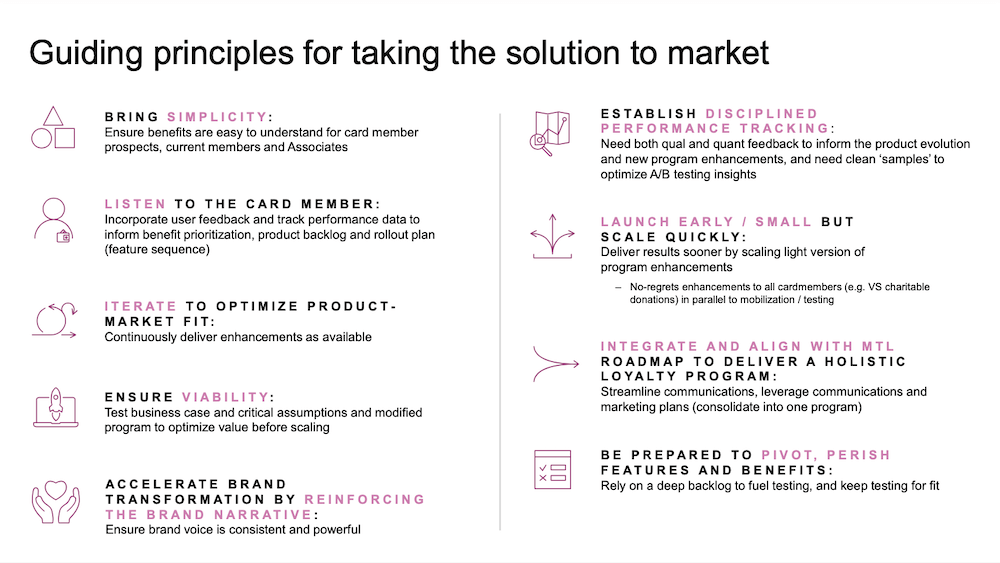
9 guiding principles and 9 enhancement features identified for the initial pilot



63% customer perference for enhanced program concept
30% improved likelihood to apply and 33% predicted frequent usage
80% perceived brand alignment

The Client: The client is a nonprofit private health insurance company with over 3 million medical members and 1 million dental members. As one of the largest health insurance companies in the U.S., they are consistently rated among the nation’s best health plans for member satisfaction and quality.
The Challenge: Health Insurance Co has a well-defined vision, strategy, and roadmap for enhancing customer experience (CX). However, they required assistance in operationalizing these plans, particularly in design and execution. The CX team needed a journey measurement framework and a comprehensive playbook to ensure scalability in their new approach. Our team was brought on to help redesign key customer journeys, facilitating accelerated and efficient execution of the new CX initiatives. Given the company did not have all the capabilities necessary to execute and scale, we also provided assistance with employee training and recruitment strategy.
Tools Used: Respondent (user research), Zoom (moderated interviews), Miro (virtual collaboration and ideation), PitchBook (market and company scan), Pollfish (survey), Figma (prototyping), and more.
Project Timeline: 12 weeks
My Role: Lead Designer
The Client: The client is a nonprofit private health insurance company with over 3 million medical members and 1 million dental members. As one of the largest health insurance companies in the U.S., they are consistently rated among the nation’s best health plans for member satisfaction and quality.
The Challenge: Health Insurance Co has a well-defined vision, strategy, and roadmap for enhancing customer experience (CX). However, they required assistance in operationalizing these plans, particularly in design and execution. The CX team needed a journey measurement framework and a comprehensive playbook to ensure scalability in their new approach. Our team was brought on to help redesign key customer journeys, facilitating accelerated and efficient execution of the new CX initiatives. Given the company did not have all the capabilities necessary to execute and scale, we also provided assistance with employee training and recruitment strategy.
Tools Used: Respondent (user research), Zoom (moderated interviews), Miro (virtual collaboration and ideation), PitchBook (market and company scan), Pollfish (survey), Figma (prototyping), and more.
Project Timeline: 12 weeks
My Role: Lead Designer